Strategic Networking Approaches Connecting Established British Bookmakers to User Access and Assistance Frameworks
Written by Klara Krüger · Aug 19, 2026
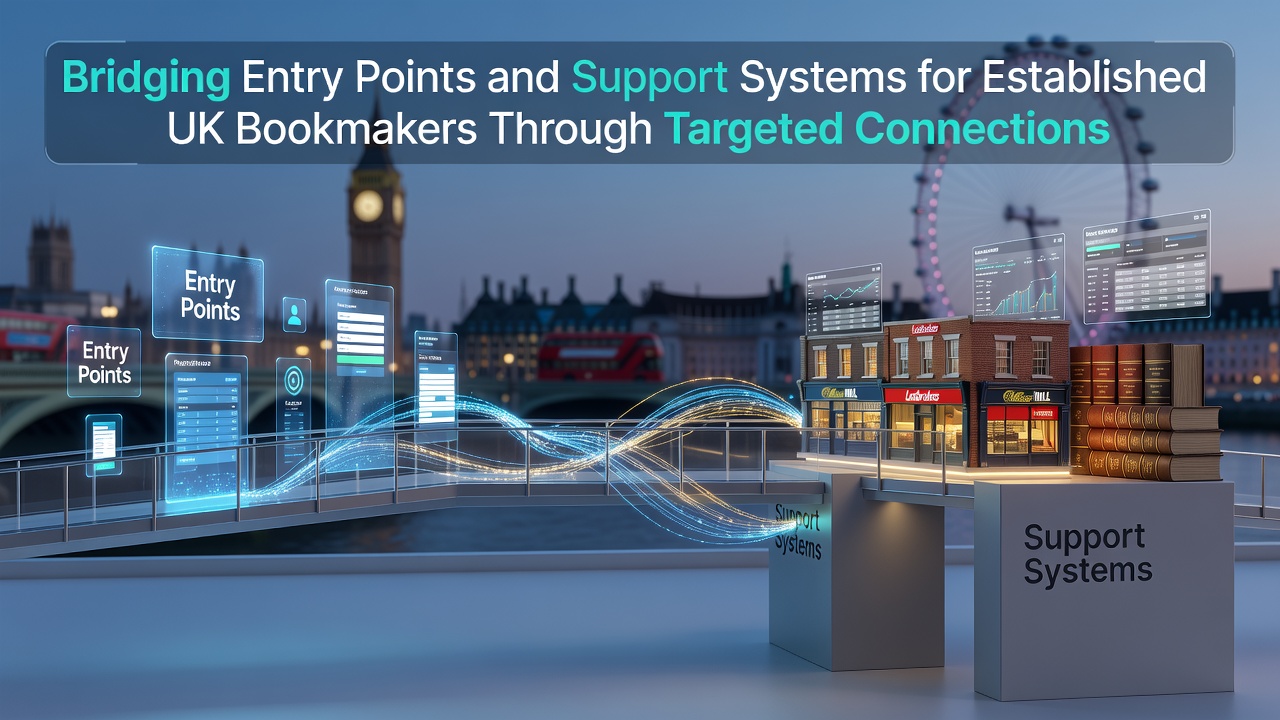
Strategic Networking Approaches Connecting Established British Bookmakers to User Access and Assistance Frameworks
Established UK bookmakers rely on precise connection strategies to link users with entry points while maintaining robust support systems, and these mechanisms have evolved considerably by August 2026 amid shifting regulatory landscapes across Europe. Data from industry reports indicate that targeted connections streamline registration processes, deposit options, and initial engagement steps for operators such as those with long histories in the British market, whereas fragmented approaches often lead to higher abandonment rates during onboarding. Observers note that firms integrate API-driven portals with customer relationship management tools to create seamless pathways, allowing bettors to move from initial access directly into personalized assistance channels without unnecessary delays.
Current Landscape of Entry Mechanisms in the Sector
Research indicates that British bookmakers have expanded their use of dedicated linking infrastructures since early 2025, with many deploying multi-channel entry systems that combine web-based portals, mobile-optimized gateways, and affiliate network integrations. These setups connect users to core platforms while embedding support touchpoints at each stage, from verification to first-time wagering activities. Figures reveal that remote betting volumes have grown steadily, prompting operators to refine connection protocols that reduce friction in account creation and verification steps. Those who have examined sector trends point out that integration with third-party identity services helps accelerate access without compromising compliance standards set by various oversight bodies.
What's notable is how established players coordinate these entry points with backend support frameworks, ensuring that queries about account status or bonus eligibility receive prompt routing to live agents or automated response systems. Studies from academic institutions highlight similar patterns in other regulated markets, where targeted connections between front-end user interfaces and service desks improve retention metrics over time. And in practice, operators pair direct navigation links with embedded chat functions that activate immediately upon user arrival at key pages.
Support Systems Integrated Through Precision Connections
Support frameworks for these bookmakers typically encompass 24-hour helplines, email ticketing systems, and in-app messaging tools, all tethered to entry points via unified data platforms. According to findings from the European Gaming and Betting Association, coordinated networks reduce average response times by linking user data from registration directly to support queues. This approach allows staff to access relevant history instantly, whether addressing payment queries or responsible gambling inquiries. Observers have documented cases where firms implemented centralized dashboards that pull information from multiple entry channels, creating a single view for support teams handling issues across desktop and mobile users alike.

One study revealed that operators using such bridged systems saw measurable improvements in user satisfaction scores during the first half of 2026, particularly when connections extended to external resources like financial counseling services or self-exclusion registries. People who've analyzed these setups often discover that combining entry links with proactive outreach tools, such as automated follow-up messages after deposits, strengthens overall engagement while maintaining clear boundaries around assistance availability. Data shows these integrations also help firms comply with broader European standards on player protection without requiring separate workflows for each access method.
Examples of Targeted Connection Strategies in Action
Take one operator that streamlined its affiliate-driven entry points by embedding unique tracking codes within support portals, allowing seamless handoffs when users required guidance on market-specific promotions. There's this case where experts found that pairing instant verification links with dedicated account managers cut resolution times for complex queries significantly during peak periods around major sporting events. Researchers discovered similar benefits when British firms adopted geo-fenced connection tools that route users based on location to region-appropriate support teams familiar with local regulations. Those who've studied this know the value lies in redundancy, where backup connection paths activate automatically if primary entry points experience temporary disruptions.
Yet the reality is that scaling these systems requires ongoing investment in secure data exchanges between entry platforms and support databases, especially as volumes rise ahead of anticipated events later in 2026. Industry organizations have reported that collaborative models involving multiple bookmakers sharing best practices on connection protocols lead to standardized improvements across the sector, though implementation varies by company size and existing infrastructure.
Looking Ahead to Expanded Frameworks
Projections based on current trajectories suggest further refinement of these bridging techniques by late 2026, with increased emphasis on AI-assisted routing that directs users from entry points to the most relevant support resources without manual intervention. External analyses from groups like the American Gaming Association provide comparative insights into how similar connection strategies function in other jurisdictions, highlighting potential adaptations for UK operators facing unique market pressures. Evidence suggests continued growth in mobile-first connections will drive additional layers of support integration, ensuring users encounter consistent assistance regardless of their initial access method.
Conclusion
Targeted connections continue to form the backbone of effective entry and support systems for established UK bookmakers, linking users efficiently while sustaining high standards of service delivery. Data from multiple sources underscores the measurable advantages of these integrated approaches, from faster onboarding to more responsive assistance channels. As teh sector advances through 2026 and beyond, the emphasis remains on maintaining secure, adaptable networks that serve both operators and their customers through precise, well-coordinated pathways.