Seamless Platform Navigation: Connecting Direct Access Points to Rapid Support Across Leading Digital Services
Written by Cameron Peters · Aug 14, 2026
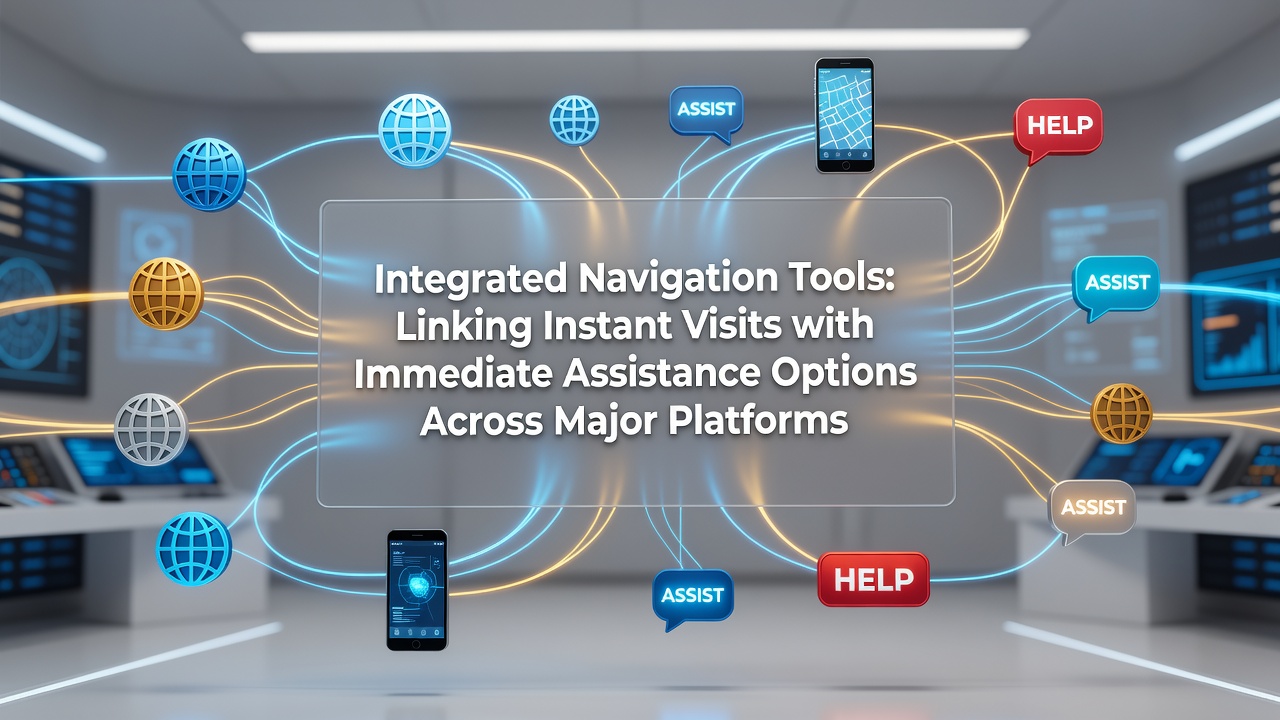
Seamless Platform Navigation: Connecting Direct Access Points to Rapid Support Across Leading Digital Services
Digital platforms have refined navigation systems that tie instant visit links directly to immediate assistance features, and this integration has become standard across major online services by August 2026. Observers note that users encounter fewer barriers when moving from a single click entry point to live support channels, since designers combine these elements into unified interfaces rather than separate menus. Research from industry reports indicates that such linkages reduce average response times because visitors reach help resources without additional redirects or form submissions.
Core Components of Integrated Navigation Systems
Modern platforms deploy navigation tools that embed visit links within the same dashboard as assistance options, and this setup allows users to transition fluidly between browsing content and seeking clarification. Data from digital service analyses shows that platforms achieve this through API connections that sync user location data with support queues, while real-time updates keep both features synchronized during peak usage periods. Experts have observed that these systems often include collapsible side panels where a visit link expands to reveal contact buttons, and that arrangement keeps the main interface uncluttered yet fully functional.
One study revealed that platforms incorporating these tools report higher session completion rates because users stay engaged longer when assistance appears contextually rather than through separate portals. The reality is that developers prioritize mobile responsiveness in these designs since most traffic arrives via handheld devices, and the same navigation logic scales across screen sizes without breaking the link between visit prompts and support triggers.
Implementation Across Prominent Online Providers
Major digital services apply these navigation patterns differently depending on their audience scale and regulatory environment, yet the underlying principle remains consistent: a visit link activates a support pathway within seconds. According to figures from the Ontario Lottery and Gaming Corporation, Canadian operators have adopted similar frameworks that pair registration shortcuts with chat initiation buttons, and users benefit from reduced friction during account setup phases. In parallel, reports from the Australian Communications and Media Authority highlight how regional platforms integrate geolocation data into navigation bars so that assistance options adjust automatically to local time zones and language preferences.
Those who've examined multiple providers find that the most effective implementations use color-coded icons to distinguish visit links from support elements, and this visual cue helps users identify the right path without reading lengthy instructions. And while some platforms add pop-up confirmations after a link click, others embed the assistance window directly beside the navigation rail to maintain continuity.
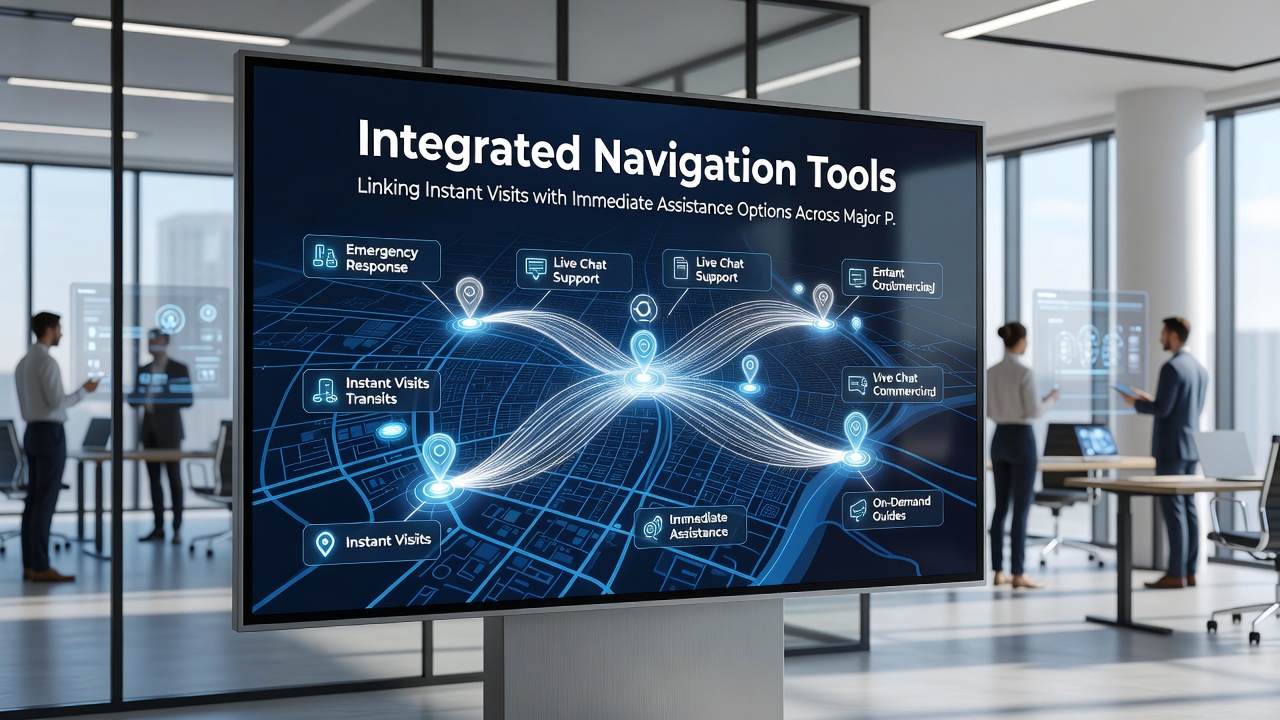
Technical Mechanisms Driving the Integration
Behind the scenes, these systems rely on modular code structures that allow visit links to trigger JavaScript events pulling in support data, and developers test these connections extensively to ensure zero latency during high-traffic events. Evidence suggests that platforms using cloud-based routing for assistance requests achieve faster connections because the navigation layer communicates directly with distributed server networks. Researchers discovered that incorporating predictive algorithms into the navigation logic lets platforms anticipate common user queries based on the page a visit link targets, and this proactive approach surfaces relevant help articles before the user even requests them.
Platforms also embed accessibility features within these tools, such as keyboard shortcuts that activate both visit and support functions simultaneously, while screen reader compatibility ensures the integrated elements remain usable for everyone. The ball's in the platform's court to maintain these standards because regulatory expectations around digital inclusivity continue to evolve.
Future Developments and Industry Trends
Looking ahead from August 2026, analysts expect further refinements in how navigation tools link visits with assistance, particularly through voice-activated commands that bypass traditional menus entirely. Industry organizations have noted growing interest in cross-platform synchronization, where a visit initiated on a desktop site automatically transfers context to a mobile support session if the user switches devices mid-interaction. What's significant is that these advancements build on existing data infrastructures rather than requiring complete overhauls, which keeps implementation costs manageable for providers of varying sizes.
Conclusion
Integrated navigation tools that connect instant visits with immediate assistance have reshaped how users interact with major digital platforms, and the pattern shows no sign of slowing as technology advances. Observers continue to track adoption rates across regions because the approach delivers measurable improvements in user flow and support accessibility without adding unnecessary complexity to core operations.