5 Jun 2026
Seamless Integration of Verification Systems and Assistance Services in Prominent Wagering Platforms
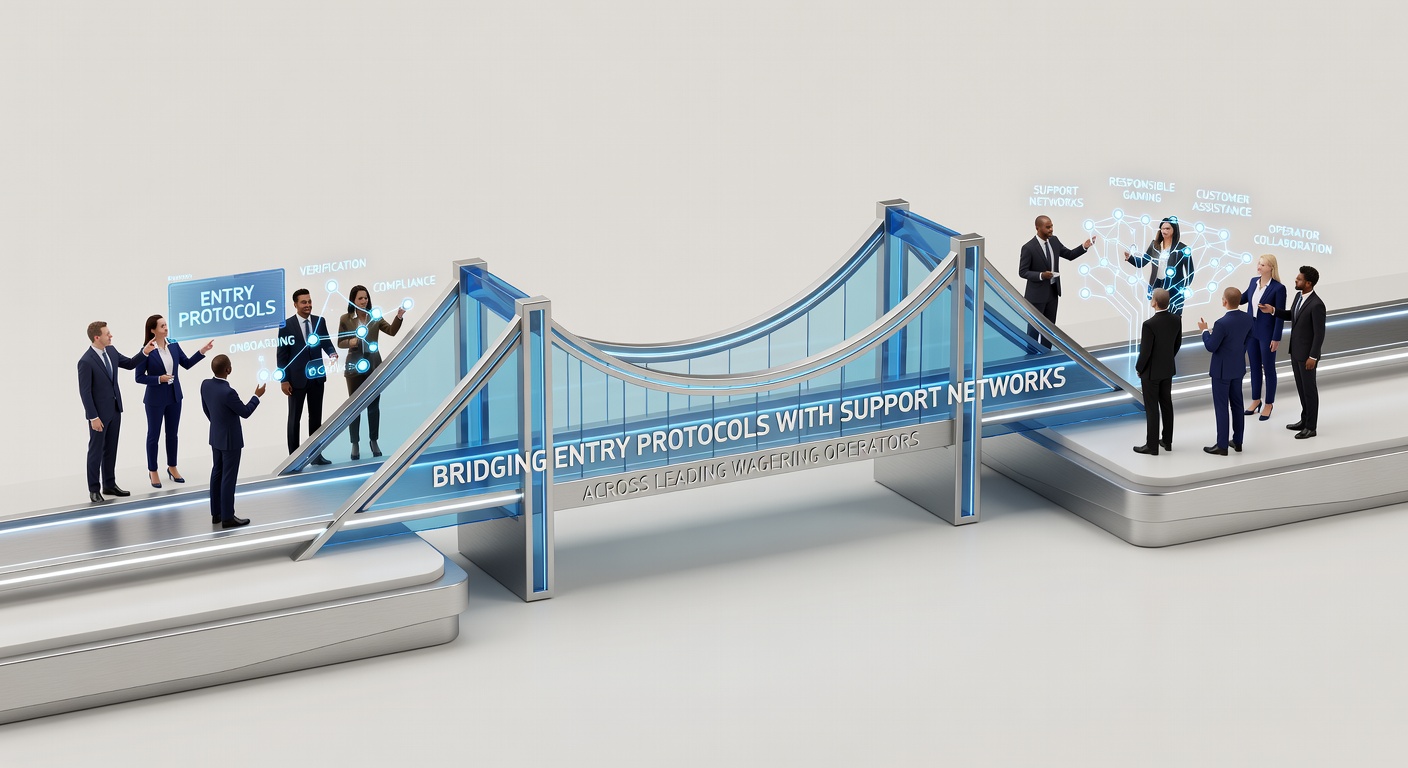
Leading wagering operators have developed methods to connect user entry protocols directly with support networks, creating pathways that link verification processes to assistance resources without unnecessary delays. These connections allow operators such as William Hill, BetVictor and Coral to manage account access alongside real-time guidance for users who encounter issues during registration or login phases, and data from industry reports shows that such integrations have expanded across multiple platforms since early 2025.
Core Components of Entry Protocols in Wagering Operations
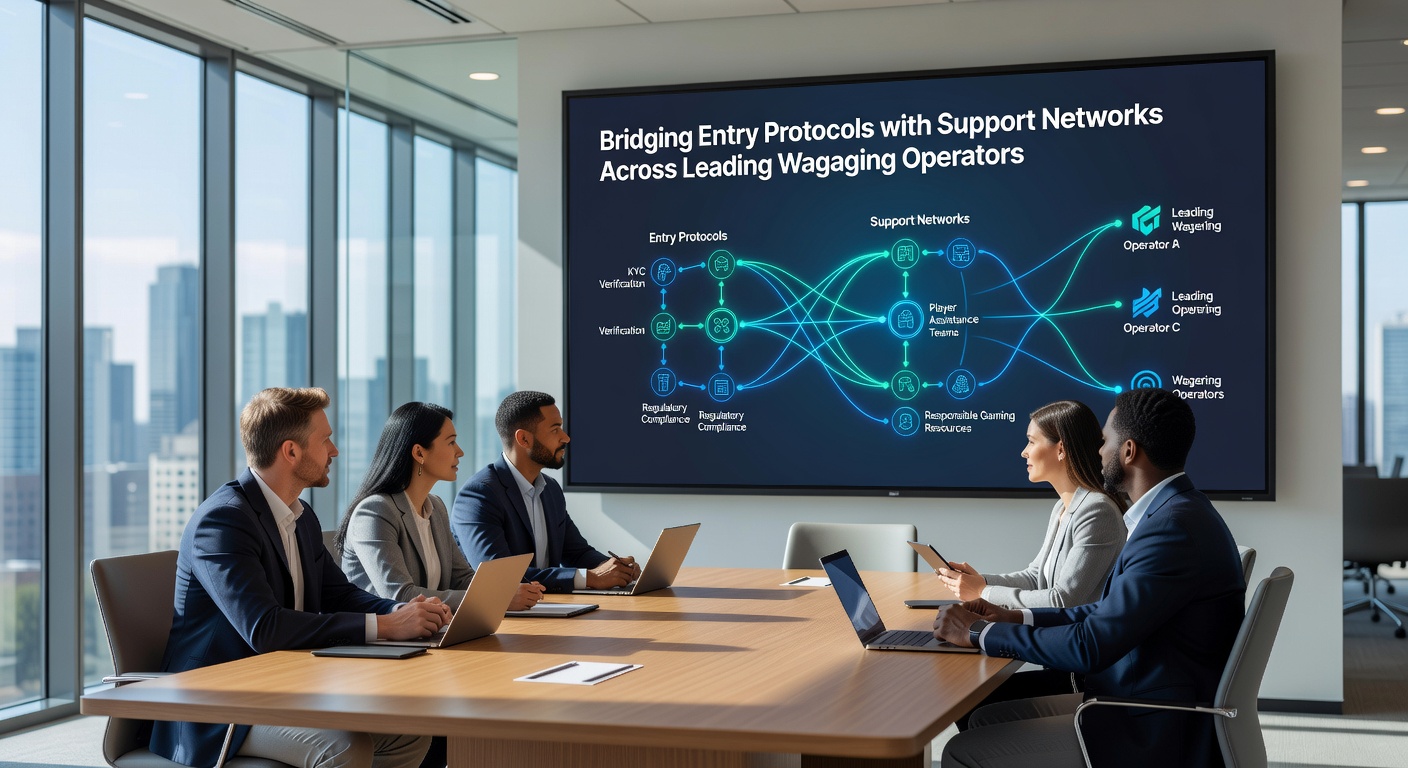
Entry protocols typically include age verification checks, identity confirmation steps and secure authentication layers that operators apply at the first point of user interaction. Research from academic institutions indicates that platforms combining these elements with automated triggers reduce the time between account creation and full functionality by routing queries straight to support teams when discrepancies arise. In practice, this means a failed verification attempt can activate chat functions or callback options immediately rather than leaving users to navigate separate menus.
Support Network Structures Across Major Operators
Support networks consist of live chat systems, dedicated helplines and integrated responsible gambling tools that activate based on user behavior patterns detected during entry. Observers note that operators link these networks to entry points through backend systems so that a user who pauses during KYC submission receives prompts offering direct connection to trained staff, and figures from European trade associations reveal consistent adoption of such paired systems among larger providers by mid-2026.
Operators have refined these connections to handle peak periods around major sporting events, where increased traffic often coincides with higher volumes of verification requests. One study from a Canadian research body found that platforms maintaining synchronized entry and support channels reported fewer abandoned registrations compared to those using disconnected processes.
Technical Methods for Linking Protocols and Networks
Application programming interfaces serve as the primary bridge between entry protocols and support networks, allowing real-time data exchange that flags potential problems and routes users accordingly. According to reports from the Australian Communications and Media Authority, several operators implemented enhanced API connections in the first half of 2026 to ensure that support agents receive context from the entry stage without requiring users to repeat information. This approach cuts down on repeated steps while maintaining compliance with data protection standards.
Automated workflows play a key role here, triggering notifications to support teams when entry attempts show signs of repeated failures or when users access responsible gambling self-exclusion tools during onboarding. Those who have examined these workflows point out that the result appears in faster resolution times, especially when operators schedule additional staffing around anticipated high-demand windows such as June 2026 tournaments.
Regional Variations in Implementation Practices
Different regulatory environments influence how operators bridge these systems, with variations appearing across North America, Europe and Asia-Pacific markets. In regions outside the United Kingdom, providers have adapted entry-support linkages to align with local licensing conditions, and evidence from university-led analyses shows that Canadian operators often emphasize integration with provincial helplines while Australian platforms focus on national self-exclusion databases connected at the verification stage.
June 2026 saw several operators test updated protocols that incorporate biometric options alongside traditional support pathways, creating additional layers that still funnel directly into assistance networks when needed. Data from industry organizations indicates these tests yielded measurable improvements in user completion rates for account setup across tested markets.
Challenges in Maintaining Synchronized Systems
Operators face ongoing requirements to update encryption standards and compliance checks without disrupting the flow between entry points and support resources. Technical teams must balance security enhancements with seamless handoffs, since any lag in data transfer can affect user progression through verification. Research papers from European institutions highlight that successful operators address this through regular testing cycles that simulate high-traffic scenarios similar to those expected during major 2026 events.
Staff training also forms part of the equation, ensuring support personnel understand the entry protocols they encounter via integrated systems. Those who've reviewed operator practices observe that cross-training programs help agents respond effectively when users arrive through automated triggers from the verification stage.
Conclusion
Integration of entry protocols with support networks continues to evolve among leading wagering operators as technical capabilities advance and regulatory expectations shift. The connections established through APIs and automated workflows provide structured pathways that link initial user interactions to assistance resources across platforms, and ongoing developments through 2026 demonstrate continued refinement in these areas. Available data from diverse regulatory and research sources supports the observation that synchronized systems have become a standard feature in major operations.