1 Jun 2026
Portal Architecture: Tracing Gateway Links and Support Hubs Across Established Bookmakers
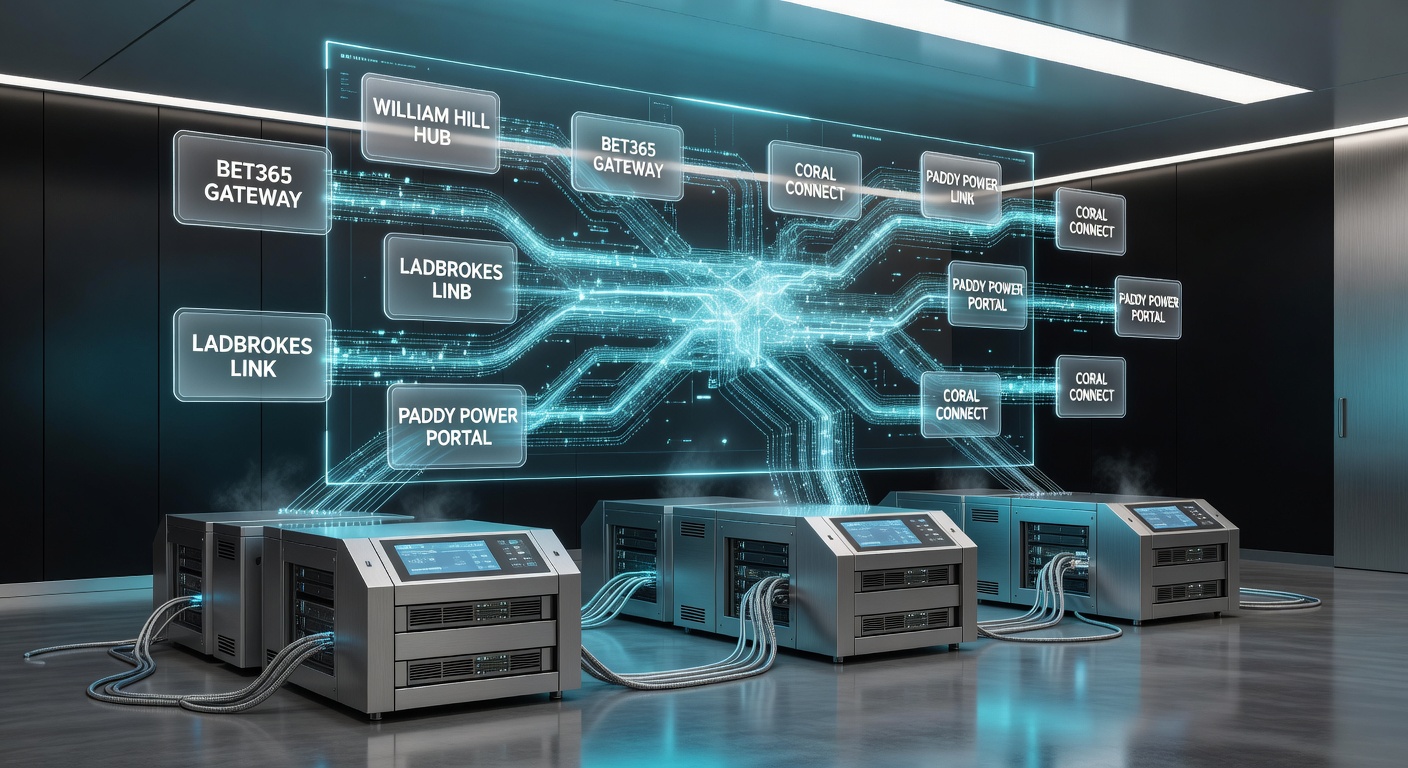
Established bookmakers maintain intricate portal architectures that direct users through gateway links toward betting markets while routing them to dedicated support hubs when assistance becomes necessary, and these systems have evolved considerably by June 2026 as operators respond to shifting regulatory landscapes and user expectations across multiple jurisdictions. Gateway links typically serve as the initial entry points that authenticate accounts, verify locations, and grant access to live odds or in-play sections, whereas support hubs consolidate help resources such as live chat interfaces, FAQ repositories, and account management tools into centralized navigation areas that reduce friction during customer interactions.
Gateway Link Structures in Major Platforms
Operators like William Hill integrate gateway links directly into homepage banners and mobile app dashboards, creating seamless pathways that transition visitors from promotional offers straight into verified betting environments without requiring multiple authentication steps, and this design choice stems from extensive user flow analysis that prioritizes speed during peak event periods such as major football fixtures or racing festivals. Coral follows a comparable approach yet layers additional regional gateways that adapt based on user location data, ensuring compliance with varying licensing requirements while maintaining consistent navigation patterns across desktop and mobile experiences. Data from industry reports shows these streamlined entry systems contribute to higher retention rates because bettors encounter fewer barriers when moving between deposit functions and market selections.
BetVictor employs dynamic gateway links that adjust in real time according to account status or ongoing promotions, directing returning users toward personalized dashboards while new registrants receive guided pathways through verification portals, and such adaptability reflects broader trends in platform engineering that emphasize conditional routing logic over static menus. Observers note that these mechanisms often incorporate security protocols like two-factor authentication embedded within the gateway itself, which protects transaction integrity without disrupting the overall user journey.
Support Hub Configurations and Integration Points
Support hubs across these platforms function as interconnected nodes rather than isolated sections, frequently linked back to gateway areas through contextual help buttons that appear during account setup or withdrawal processes, and this integration allows users to resolve issues without exiting the primary betting interface. William Hill positions its support hub as a persistent footer element alongside quick-access chat triggers, enabling immediate escalation from self-service articles to live agent conversations when queries involve complex matters such as bonus eligibility or payment disputes.
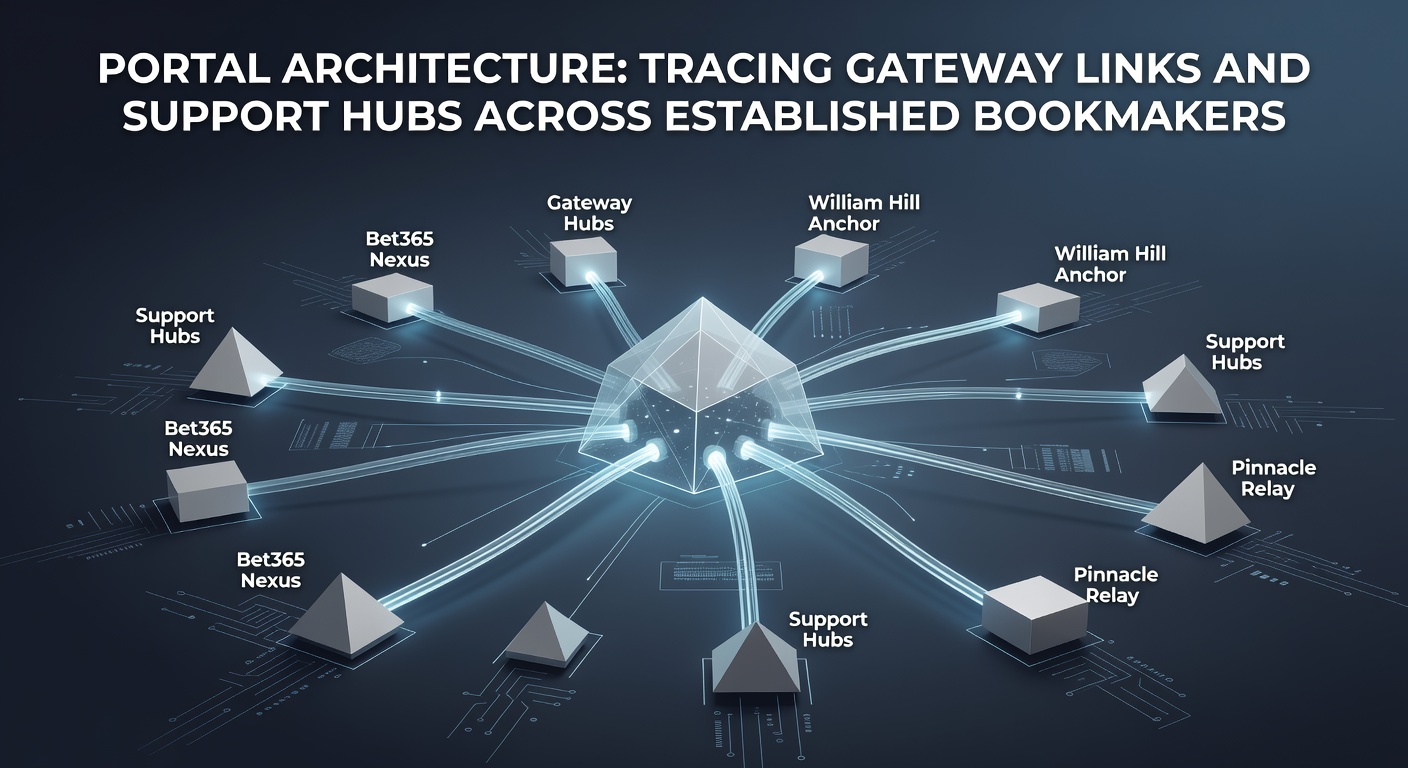
Coral structures its support resources around categorized hubs that separate technical troubleshooting from responsible gambling tools, with gateway links embedded in each category to route users toward account-specific actions like self-exclusion requests or limit adjustments, and research from the National Council on Problem Gambling highlights how such organized layouts improve accessibility for users seeking targeted assistance. BetVictor extends this model by incorporating video tutorials and interactive guides within its support hub, connecting these resources through contextual links that appear at relevant stages of the betting process.
Cross-Platform Consistency and Regional Adaptations
Bookmakers operating across borders adjust portal architectures to align with local regulations, which means gateway links in certain markets include additional compliance checkpoints while support hubs expand to cover region-specific payment options or dispute resolution channels, and figures from the Alcohol and Gaming Commission of Ontario illustrate how these variations maintain operational efficiency despite differing legal frameworks. In June 2026 several operators rolled out unified backend systems that allow front-end gateways to remain consistent even as support content localizes automatically based on detected user preferences.
Those who've examined multiple platforms observe that successful architectures balance automation in gateway routing with human oversight in support hubs, creating hybrid models where chatbots handle routine queries before escalating complex cases to dedicated teams. This layered approach reduces average response times while preserving the personalized service that distinguishes established operators from newer entrants in the market.
Conclusion
Portal architecture in established bookmakers continues to center on efficient gateway links paired with robust support hubs that together facilitate smooth access and reliable assistance, and ongoing refinements through June 2026 demonstrate how these systems adapt to technological advances and regulatory demands without compromising core functionality. The connections between entry points and help resources underscore a design philosophy focused on user continuity across the entire platform experience.