20 Jul 2026
Pathways to Engagement: Integrating Visit Options and Inquiry Channels in Operator Assessments
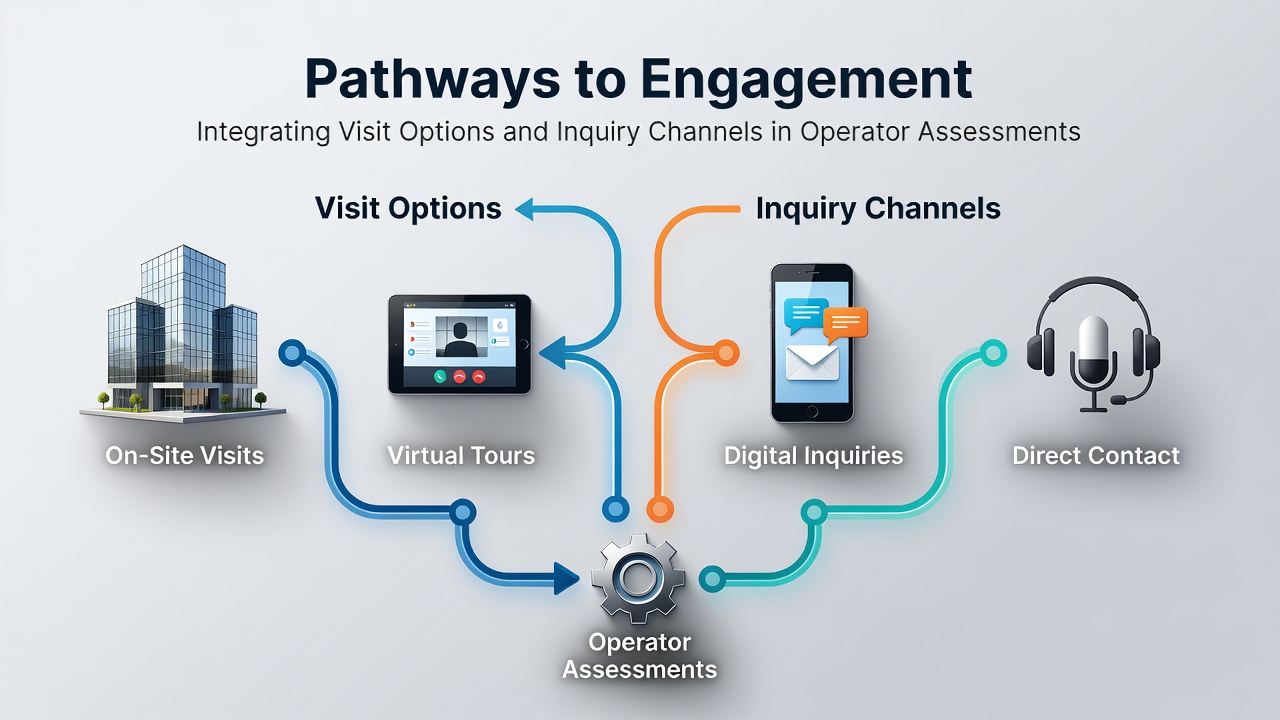
Operators across service sectors rely on structured assessment frameworks that combine physical visit options with multiple inquiry channels to evaluate performance, compliance, and customer satisfaction, and data from industry reports indicate these integrated approaches improve response accuracy while reducing assessment timelines. Research from regulatory bodies shows that organizations adopting blended models see measurable gains in engagement metrics, particularly when assessments occur during peak operational periods such as July 2026 when demand for utility and telecommunications services typically rises.
Core Components of Visit Options in Assessments
Visit options encompass scheduled on-site inspections, virtual walkthroughs, and hybrid field evaluations that allow assessors to observe real-time operations, equipment conditions, and staff interactions directly, while data collected during these visits often feeds into centralized reporting systems for further analysis. Observers note that effective visit protocols incorporate pre-visit questionnaires and post-visit follow-ups, which help clarify observations and ensure comprehensive coverage of assessment criteria without unnecessary duplication of effort.
Inquiry Channels and Their Role in Data Collection
Inquiry channels include telephone hotlines, email portals, live chat interfaces, and dedicated mobile applications that facilitate ongoing communication between operators and assessment teams, and figures from government agencies reveal these channels generate high volumes of qualitative feedback that complements quantitative data from site visits. Studies conducted by research institutions demonstrate that operators who maintain responsive inquiry systems achieve faster resolution of identified issues, since stakeholders can submit clarifications or additional evidence promptly through their preferred medium.
Strategies for Seamless Integration
Integration begins with unified data platforms that link visit reports to inquiry logs in real time, allowing assessors to cross-reference observations with stakeholder communications and identify patterns that single-channel approaches might miss, whereas organizations implementing such platforms report improved consistency across evaluation cycles. What's interesting is how automated routing systems direct specific inquiry types to the appropriate visit team members, and this reduces administrative overhead while maintaining accountability throughout the process.
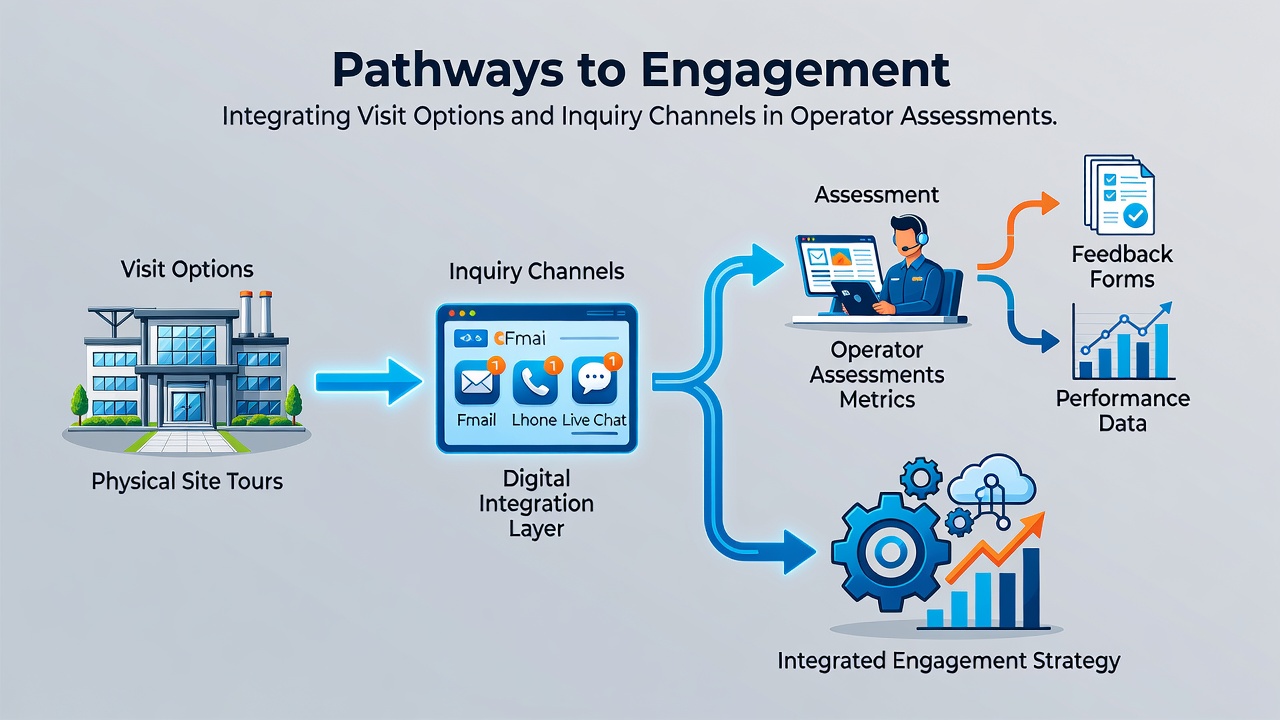
Training programs for assessment personnel emphasize proficiency across both visit protocols and digital inquiry tools, because staff who understand the full spectrum of engagement pathways can adapt their methods based on the operator's operational context and available resources. According to findings published by the Federal Communications Commission, coordinated training correlates with higher compliance rates in sectors subject to regular performance reviews.
Regional Examples and Recent Developments
In Australia, the Australian Competition and Consumer Commission has documented how energy operators integrated visit scheduling with customer inquiry dashboards during 2025 assessment rounds, resulting in streamlined data collection that informed subsequent regulatory adjustments, while Canadian provincial regulators adopted similar frameworks to monitor telecommunications infrastructure upgrades. European Union reports highlight collaborative pilot programs launched in early 2026 that test AI-assisted matching of inquiry content with scheduled visits, and these initiatives aim to enhance assessment precision across member states.
One study released in July 2026 by an academic consortium examined operator assessments in North American utility markets and found that integrated pathways reduced average evaluation duration by measurable percentages compared with traditional sequential methods, since parallel data streams from visits and inquiries allowed assessors to address gaps concurrently rather than in stages.
Measuring Outcomes and Refining Processes
Key performance indicators for integrated systems typically track response times, data completeness rates, and stakeholder satisfaction scores, and industry organizations such as the International Telecommunication Union publish guidelines that help operators benchmark these metrics against peer performance. Those who've studied assessment outcomes observe that periodic reviews of channel effectiveness lead to targeted adjustments, such as expanding mobile inquiry capabilities when field data shows increased remote engagement.
Conclusion
Effective operator assessments depend on well-coordinated pathways that merge visit options with diverse inquiry channels, and evidence from regulatory and academic sources confirms these approaches support thorough evaluations while accommodating varying operational scales. Continued refinement of integration techniques, informed by data gathered through July 2026 and beyond, positions organizations to maintain assessment standards amid evolving service demands.