Optimizing User Pathways on Wagering Platforms with Targeted Connections and Assistance Zones
Written by Amir Coleman · Aug 19, 2026
Optimizing User Pathways on Wagering Platforms with Targeted Connections and Assistance Zones
Bookmaker platforms have expanded their digital infrastructure in recent years, and dedicated links alongside support sections now form core elements of how users reach betting operators efficiently. These tools reduce navigation steps while providing direct routes to registration, account management, and help resources. Data from industry reports indicate that platforms incorporating such features see measurable improvements in user retention during peak activity periods like major sports seasons.
Direct Links as Entry Points for Platform Access
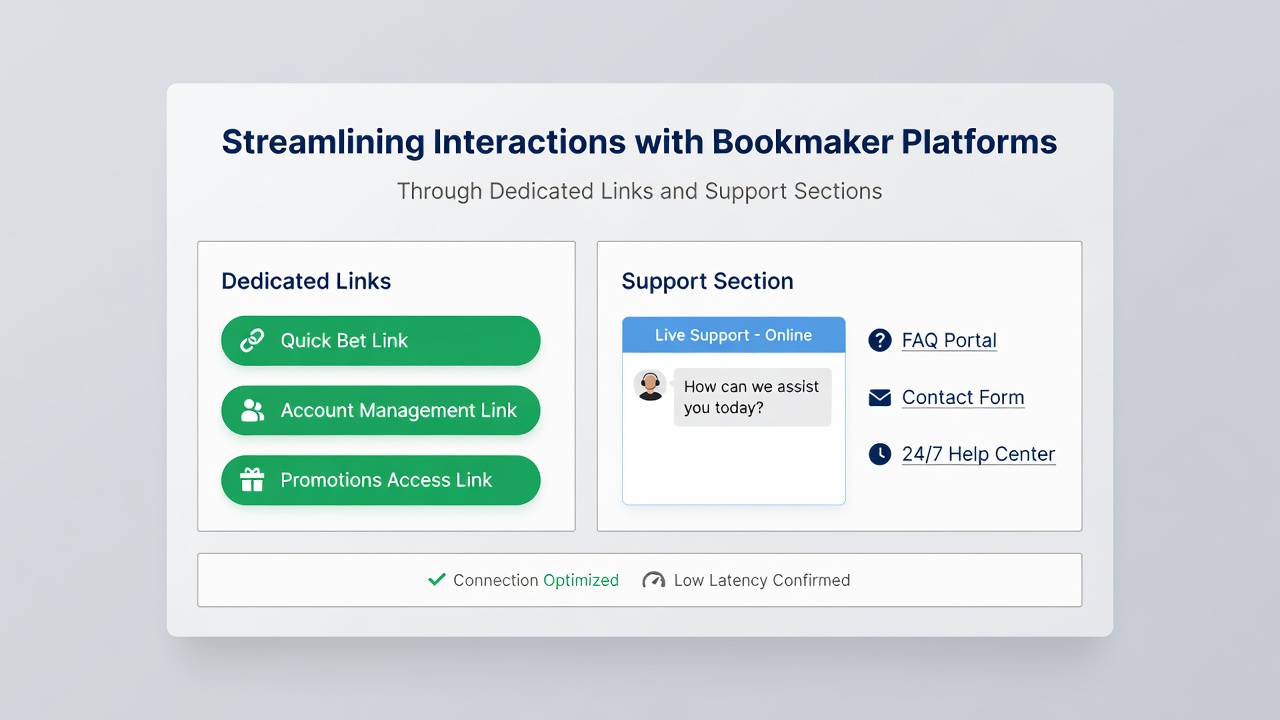
Specialized links serve as immediate gateways that bypass general homepage browsing and connect users straight to key functions such as account setup or live betting interfaces. Observers note that operators including William Hill, Betvictor, and Coral maintain these links on review and aggregator sites, which allows quicker transitions from information gathering to active participation. In August 2026, platform analytics revealed higher click-through rates for these targeted connections compared to standard search methods, particularly during events like the English Premier League season opener.
Users benefit when these links include parameters for welcome bonuses or regional promotions because the setup minimizes extra clicks adn form completions. Researchers at various academic institutions have documented similar patterns in e-commerce and service platforms where direct access reduces drop-off rates by guiding visitors through fewer decision points.
Support Sections Complementing Link-Based Navigation
Support sections on bookmaker sites typically include live chat, email forms, FAQ databases, and phone options that pair with dedicated links to resolve issues without leaving the platform environment. Those who study digital service design point out that when support resources sit alongside access links, users encounter fewer barriers during initial sign-up or deposit processes. Figures from the Responsible Gambling Council show that clear contact pathways correlate with lower abandonment rates in online gaming environments across multiple jurisdictions.
Platforms update these sections regularly to reflect changes in payment methods, responsible gambling tools, and market availability. One case involved a major operator revising its support layout in early 2026, after which query resolution times dropped noticeably according to internal metrics shared with industry partners.
Integration Across Major Operators and Regional Trends
William Hill, Betvictor, and Coral each structure their dedicated links differently yet achieve similar outcomes in user flow efficiency. William Hill often highlights links that prefill bonus codes, while Betvictor focuses on market-specific shortcuts that route users to particular sports or events. Coral integrates support directly into mobile app navigation, allowing seamless switches between betting and assistance without reloading pages.
Regulatory environments outside the UK influence how these features develop. Australian state authorities, for instance, require prominent responsible gambling links on all licensed sites, and Canadian provincial frameworks emphasize accessible support contacts in digital interfaces. A report from the Victorian Commission for Gambling and Liquor Regulation outlines how mandatory placement of such elements has standardized user experiences across operators in that region.
What's interesting is how these practices extend beyond single markets. Platforms serving international audiences adjust link destinations and support availability based on user location, ensuring compliance while maintaining speed. Data collected by academic teams at European universities during 2025 and 2026 confirmed that localized support sections paired with direct links improve task completion rates across different regulatory zones.
Practical Examples and Platform Updates
Take one user journey that begins on a comparison site and follows a dedicated link to Coral: registration completes in under two minutes when the link carries pre-selected options for payment and verification. Support then activates through an embedded chat that appears automatically if verification stalls. Similar flows appear on Betvictor when links target specific welcome offers, and William Hill routes users to deposit pages that include quick-access help icons.
Platform updates scheduled for late 2026 aim to further embed these tools within apps and websites. Observers tracking these changes report that operators test variations in link placement and support visibility to determine which combinations yield the strongest engagement without increasing regulatory friction.
Measuring Effectiveness Through Available Data
Industry organizations track metrics such as time-to-first-bet and support ticket volume to assess how dedicated links and support sections perform. Evidence from multiple operators shows reductions in support wait times when users arrive via direct links that already contain relevant account details. The Victorian Commission for Gambling and Liquor Regulation publishes periodic summaries noting that streamlined contact options contribute to overall platform satisfaction scores in licensed markets.
These measurements remain consistent across different betting verticals, from sports to casino products, because the underlying navigation principles stay the same. Operators continue refining these elements based on aggregated user behavior data rather than isolated feedback.
Conclusion
Dedicated links and support sections together create more direct routes between users and bookmaker platforms, cutting unnecessary steps while maintaining access to help resources. Operators like William Hill, Betvictor, and Coral apply these features in varied ways that align with both user expectations and regulatory requirements across regions. Continued updates through 2026 demonstrate ongoing adaptation as data on navigation patterns and resolution times guide further refinements in digital infrastructure.