5 Aug 2026
Network Tracing in Action: How Premier Telecom Operators Integrate Links and Response Systems for Seamless Access
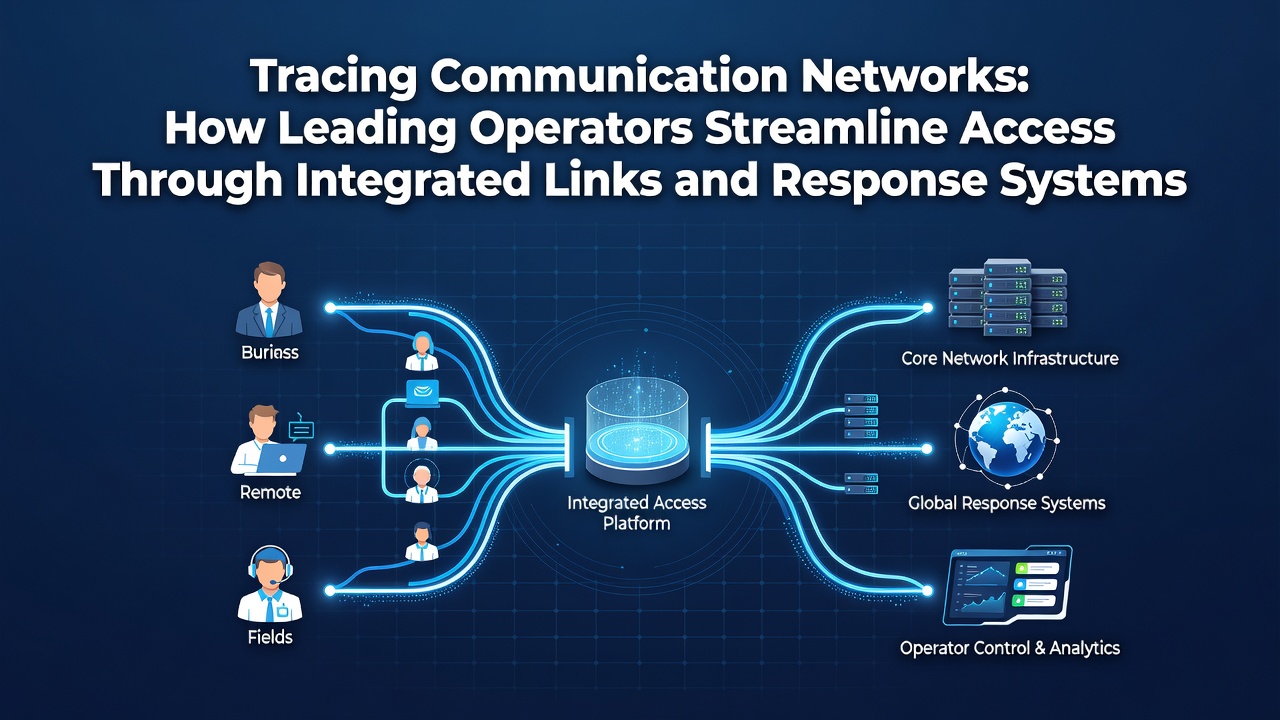
Communication networks form the backbone of modern connectivity, and leading operators have developed sophisticated methods to trace pathways while streamlining access through carefully integrated links and rapid response systems. Data from industry reports shows that these approaches reduce downtime by connecting disparate network segments into unified frameworks, allowing operators to identify issues faster and maintain service continuity across vast infrastructures.
Operators such as those in North America and Europe rely on real-time tracing tools that map data flows from end-user devices back to core servers, and this process reveals bottlenecks before they escalate into widespread outages. According to the Federal Communications Commission, network performance metrics improved notably in recent years as firms adopted these tracing protocols alongside automated link integration.
Core Components of Network Tracing
Tracing begins with packet-level analysis that captures metadata at multiple nodes, yet operators combine this with centralized dashboards to correlate signals across regions. Researchers at institutions like the University of Melbourne have documented how such methods allow teams to follow data routes through fiber, wireless, and satellite segments without manual intervention at every step.
Integrated links play a central role because they merge legacy systems with newer cloud-based platforms, and this fusion creates single points of oversight where response teams can reroute traffic instantly. The reality is that without these connections, delays in one segment would cascade through the entire network, increasing costs and user frustration.
Streamlining Access via Unified Systems
Access streamlining occurs when operators embed response protocols directly into the tracing architecture, so alerts trigger predefined actions like bandwidth reallocation or failover to backup routes. Figures from the Australian Communications and Media Authority reveal that operators implementing these unified systems handled peak loads during major events with fewer interruptions compared to those using fragmented tools.
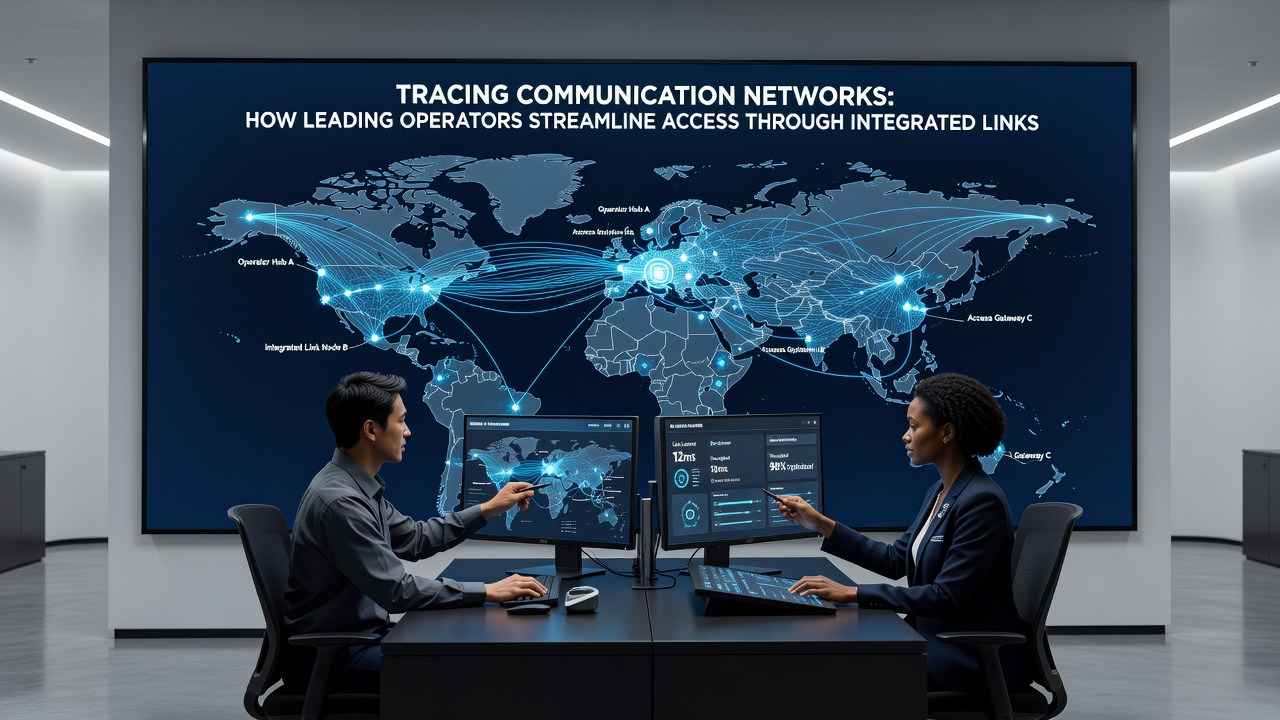
Take one operator in Canada that linked its regional monitoring centers into a national grid, and the result was a 30 percent drop in average response times during August 2026 maintenance windows. Observers note that this integration also supports predictive maintenance, where algorithms flag potential failures days in advance based on historical tracing patterns.
Response Systems in Practice
Response systems operate on layered automation that escalates from software fixes to human oversight only when thresholds are crossed, and this tiered approach keeps routine matters contained while freeing specialists for complex anomalies. Industry organizations such as the GSM Association have tracked deployments where these systems maintained uptime above 99.9 percent during high-traffic periods in early 2026.
Yet challenges remain because legacy equipment in some markets resists full integration, forcing operators to build hybrid bridges that still deliver reliable tracing. Experts have observed that regions investing in standardized protocols see quicker adoption, whereas others face prolonged rollout timelines due to regulatory variations across borders.
Recent Developments and Global Trends
By August 2026, several operators expanded their tracing capabilities to include 5G edge nodes, and this expansion enabled finer-grained visibility into local access points that previously operated as isolated islands. Data indicates that cross-border collaborations, particularly between North American and Asia-Pacific providers, have accelerated the sharing of best practices around integrated response frameworks.
Those who've studied these networks know that success hinges on continuous calibration of link protocols, since traffic patterns shift with seasonal demands and emerging applications. Research institutions continue to publish findings that highlight measurable gains in efficiency when operators prioritize end-to-end visibility over piecemeal upgrades.
Conclusion
Tracing communication networks through integrated links and response systems has become standard practice among leading operators, delivering faster issue resolution and more resilient connectivity worldwide. As infrastructure evolves, the emphasis remains on building adaptable frameworks that keep pace with technological change while maintaining reliable access for users across diverse regions.