10 Jul 2026
Navigating Core Service Channels at Established Bookmaking Platforms
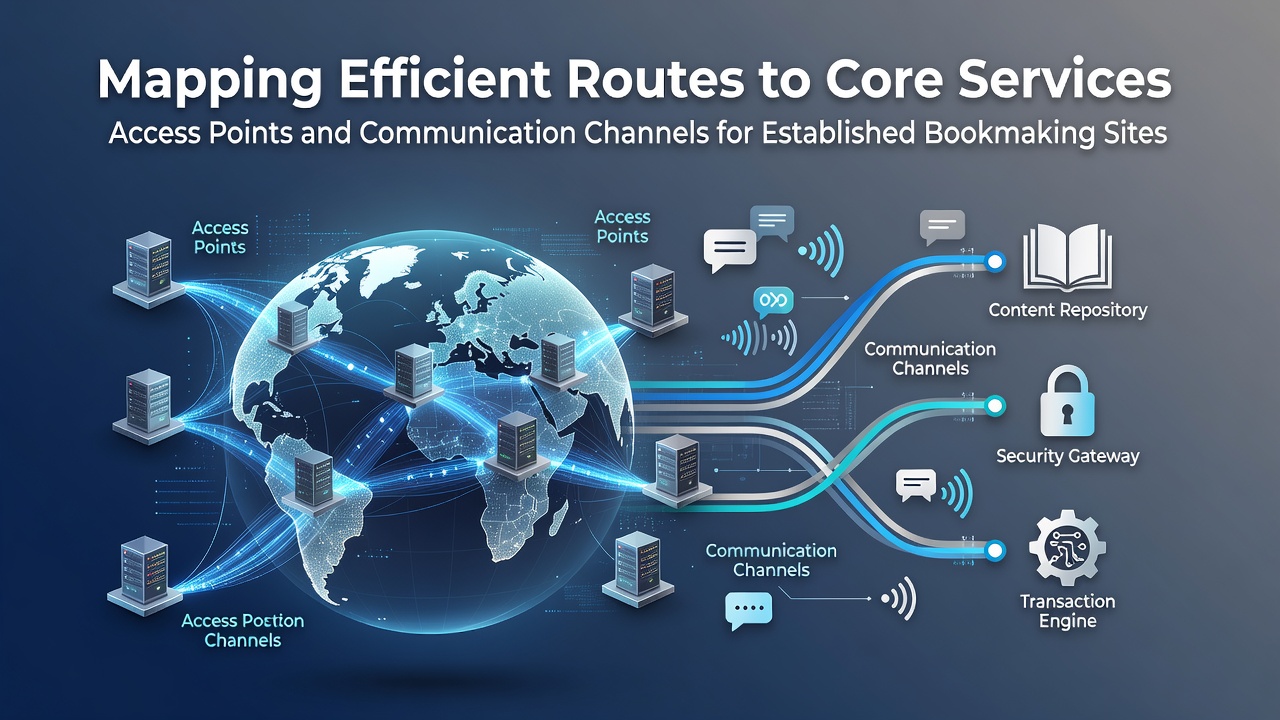
Established bookmaking platforms maintain multiple structured pathways that connect users to registration systems, betting interfaces, account management tools, and support resources, and these routes have evolved alongside regulatory shifts observed through mid-2026. Observers note that operators such as William Hill, BetVictor, and Coral continue to refine direct web portals alongside dedicated mobile applications that handle deposits, withdrawals, and market access without requiring intermediate redirects in most cases.
Web Portals as Primary Entry Points
Official websites serve as the foundational access layer where users complete identity verification, review terms, and reach live betting sections through clearly labeled navigation menus, while integrated search functions allow quick location of specific events or account settings. Data from industry reports indicate that these portals often incorporate secure login protocols that sync across desktop and mobile sessions, reducing the need for repeated authentication steps.
Many platforms embed direct links to responsible gambling tools within footer sections or account dashboards, ensuring users encounter self-exclusion options and deposit limit settings during routine navigation. Researchers at institutions tracking digital commerce patterns have documented how such placements increase voluntary use of protective features, particularly during high-volume periods around major sporting calendars.
Mobile Applications and API Integrations
Native mobile applications extend the same core functions found on websites yet add device-specific capabilities such as push notifications for odds changes and biometric login options that streamline repeated access throughout a session. Industry analyses show these apps frequently achieve faster load times for in-play markets compared with browser-based alternatives because they cache data locally and optimize for network conditions.
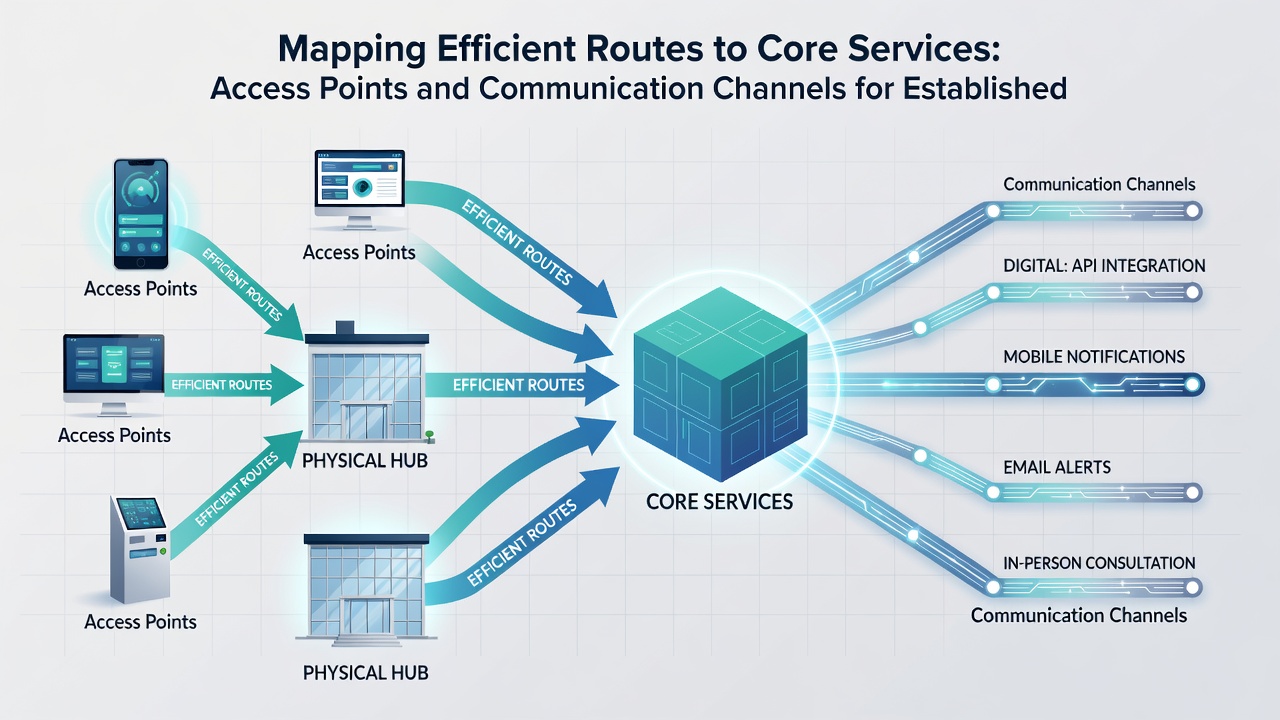
Behind the user interface, operators rely on application programming interfaces that allow third-party developers to build compliant tools while maintaining strict data security standards set by regional authorities. One study released by the American Gaming Association highlighted how API frameworks in regulated markets support real-time balance updates and transaction logging that feed directly into compliance reporting systems.
Direct Communication Channels
Live chat interfaces remain the most immediate contact method on most platforms, routing queries to trained agents who access account histories within seconds of connection, and email systems provide documented trails for complex issues involving verification or disputed settlements. Telephone support lines operate during extended hours in many jurisdictions, with call routing based on language preference and account type to reduce transfer times.
According to figures compiled by the Australian Communications and Media Authority, response times across digital channels improved measurably between 2024 and 2026 as operators integrated AI-assisted triage that directs routine questions to knowledge bases before escalating to human representatives. Users who combine chat with follow-up emails often receive consolidated summaries that reference previous interactions, creating continuity across separate sessions.
Social media accounts maintained by the operators function as supplementary broadcast channels rather than primary support routes, yet they frequently include links back to official portals for account-specific assistance. Observers tracking platform activity in July 2026 noted increased use of these accounts to announce temporary maintenance windows or new market additions, directing followers toward in-app notifications for uninterrupted access.
Regulatory Context and Access Standards
Regulatory bodies across multiple regions require documented mapping of all customer-facing access points to ensure transparency and auditability, and operators submit updated diagrams of their service architecture during periodic reviews. Research published by the European Gaming and Betting Association demonstrates that standardized reporting of communication channels correlates with higher user satisfaction scores in jurisdictions that mandate such disclosures.
Platforms must also maintain fallback procedures when primary channels experience outages, including mirrored servers and alternative contact numbers that activate automatically. Those procedures became particularly relevant during infrastructure strain events reported in early 2026 when major sporting tournaments coincided with peak digital traffic volumes.
Conclusion
Established bookmaking platforms organize access through layered systems that combine web portals, mobile applications, and multi-channel support networks, each component designed to maintain continuity while meeting regulatory expectations. Patterns observed through July 2026 show continued investment in API reliability and response-time metrics, with operators publishing updated channel maps as part of routine compliance filings. These structures enable users to move between registration, betting activity, and assistance requests through predictable routes that remain consistent across devices and time zones.