Mapping Support Systems and Registration Routes for Key Industry Players
Written by Klara Krüger · Aug 26, 2026
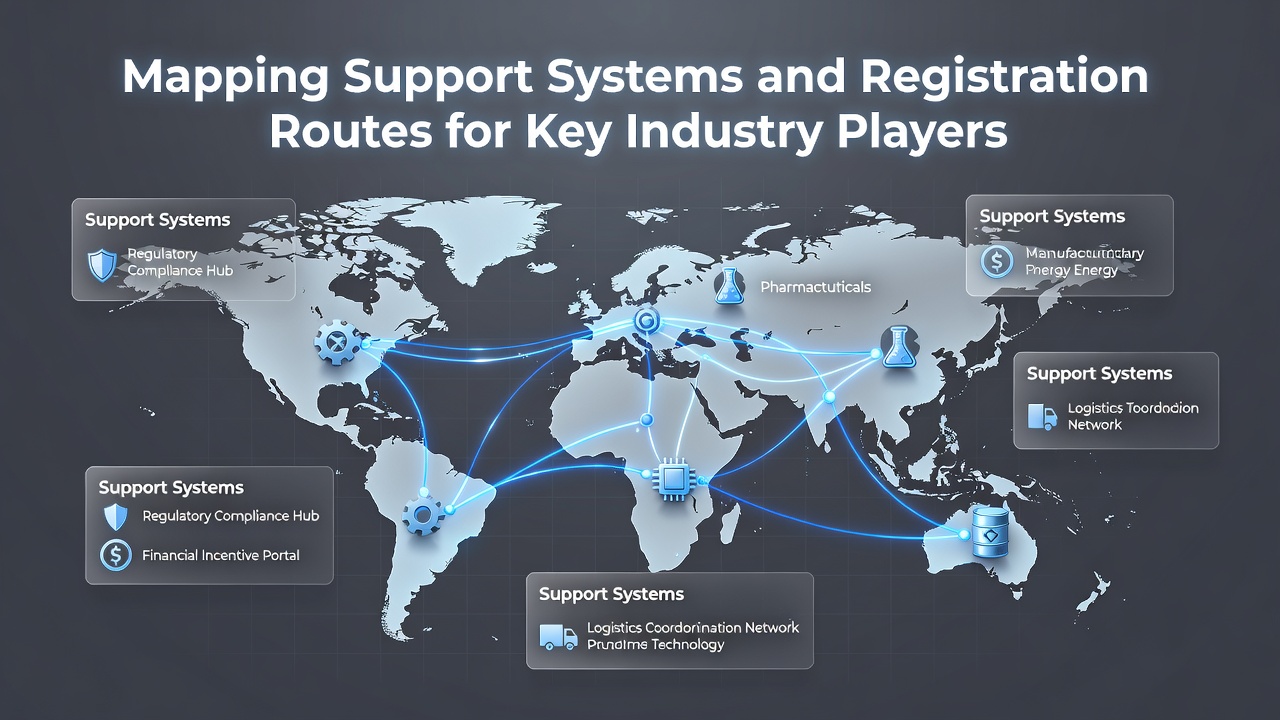
Mapping Support Systems and Registration Routes for Key Industry Players
Support systems in the gaming sector encompass customer assistance channels, technical infrastructure, and compliance mechanisms that operators deploy to handle player inquiries while regulatory registration routes define the licensing pathways companies must follow before offering services in specific jurisdictions, and these elements combine to shape operational standards across markets.
Regulatory bodies establish clear onboarding procedures that require operators to submit detailed business plans, financial audits, and responsible gaming policies before approval is granted, with processes varying by region yet sharing common requirements around background checks and ongoing reporting obligations.
Core Components of Operator Support Infrastructure
Customer support frameworks typically include 24-hour live chat, email ticketing systems, and telephone hotlines staffed by trained agents who resolve account issues, payment disputes, and technical problems, while integrated CRM platforms allow teams to track interactions and escalate complex cases to specialized departments.
Data from the New Jersey Division of Gaming Enforcement shows that approved operators maintain response time benchmarks under two minutes for live channels during peak periods, and these metrics form part of routine compliance reviews conducted by state auditors.
Technical support layers extend beyond player-facing services to encompass backend monitoring tools that detect unusual betting patterns, fraud attempts, and system vulnerabilities, with automated alerts routing incidents to security teams for immediate investigation.
Player Registration Pathways and Verification Standards
Account creation begins with basic details such as name, address, date of birth, and contact information, after which operators apply identity verification steps that may involve document uploads, database cross-checks, or third-party services to confirm age and residency before deposits or withdrawals are enabled.
These steps align with anti-money laundering rules enforced across multiple territories, where incomplete profiles trigger holds until full compliance is achieved, and operators log every stage of the process for audit trails that regulators examine during license renewals.
August 2026 brought updates to several regional verification protocols that introduced enhanced biometric options alongside traditional methods, allowing operators to reduce onboarding times while maintaining security thresholds set by local authorities.
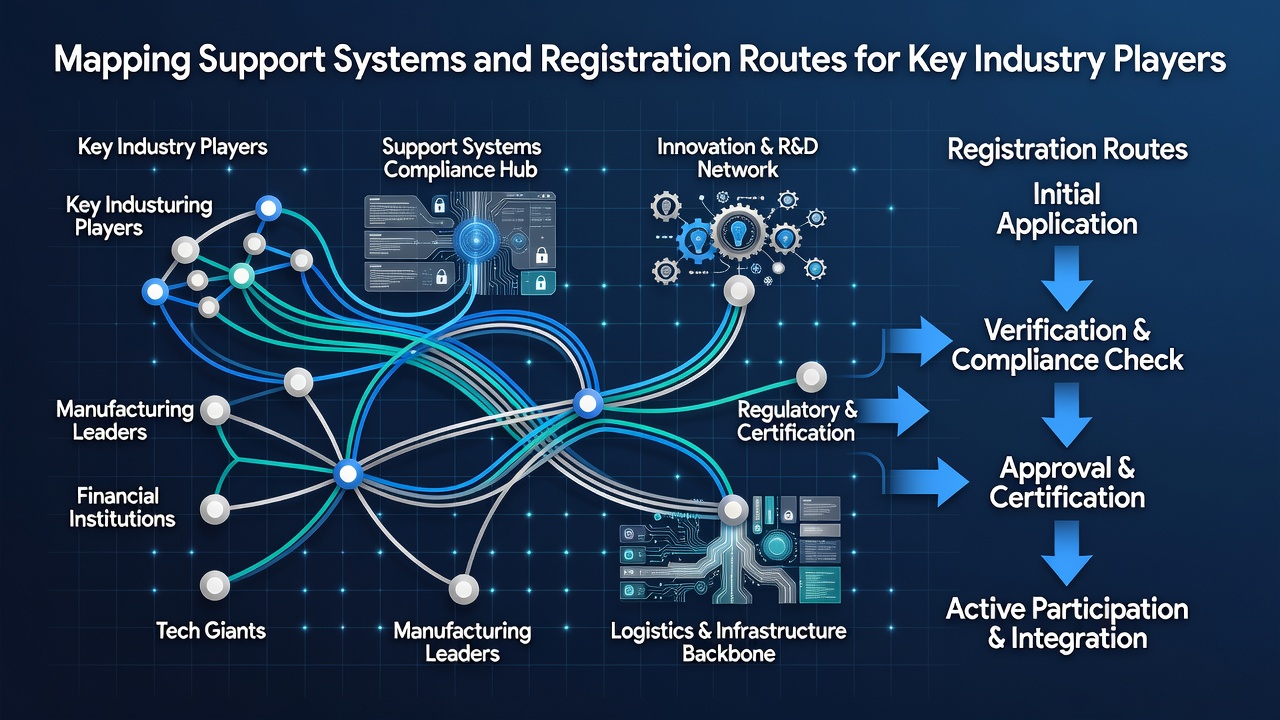
Regulatory Registration Routes for Operators
Operators seeking market entry must navigate application procedures that differ between jurisdictions, beginning with preliminary expressions of interest followed by full submissions that include corporate governance documents, responsible gaming commitments, and evidence of adequate capitalization, and approval timelines range from several months to over a year depending on the complexity of the review.
The Alcohol and Gaming Commission of Ontario outlines a phased licensing model where initial investigations cover ownership structures and key personnel, after which provisional approvals allow testing environments before full commercial operations commence, and this staged approach helps regulators manage risk while giving companies clear milestones.
Renewal cycles require operators to demonstrate continued adherence through annual reports on player activity, complaint volumes, and self-exclusion program participation, with failures triggering remediation plans or license conditions that restrict certain product offerings until standards improve.
Integration of Support Tools with Regulatory Compliance
Modern platforms link support ticketing systems directly to regulatory reporting modules so that complaints involving responsible gaming or payment delays feed automatically into compliance dashboards, enabling operators to generate required disclosures without manual data aggregation and reducing the chance of reporting gaps during inspections.
Training programs for support staff incorporate regulatory updates on topics such as vulnerable player identification and advertising restrictions, with completion records maintained as evidence during audits, and this connection ensures frontline teams contribute to broader compliance objectives rather than operating in isolation.
Conclusion
Effective mapping of support systems alongside registration routes allows operators to align customer service delivery with licensing obligations across different markets, where consistent documentation practices, verification standards, and reporting integrations support both operational efficiency and regulatory adherence in an evolving sector.