13 Jul 2026
Exploring Interconnections Among Evaluation Frameworks, Access Interfaces, and Support Systems for Leading Cloud Service Providers
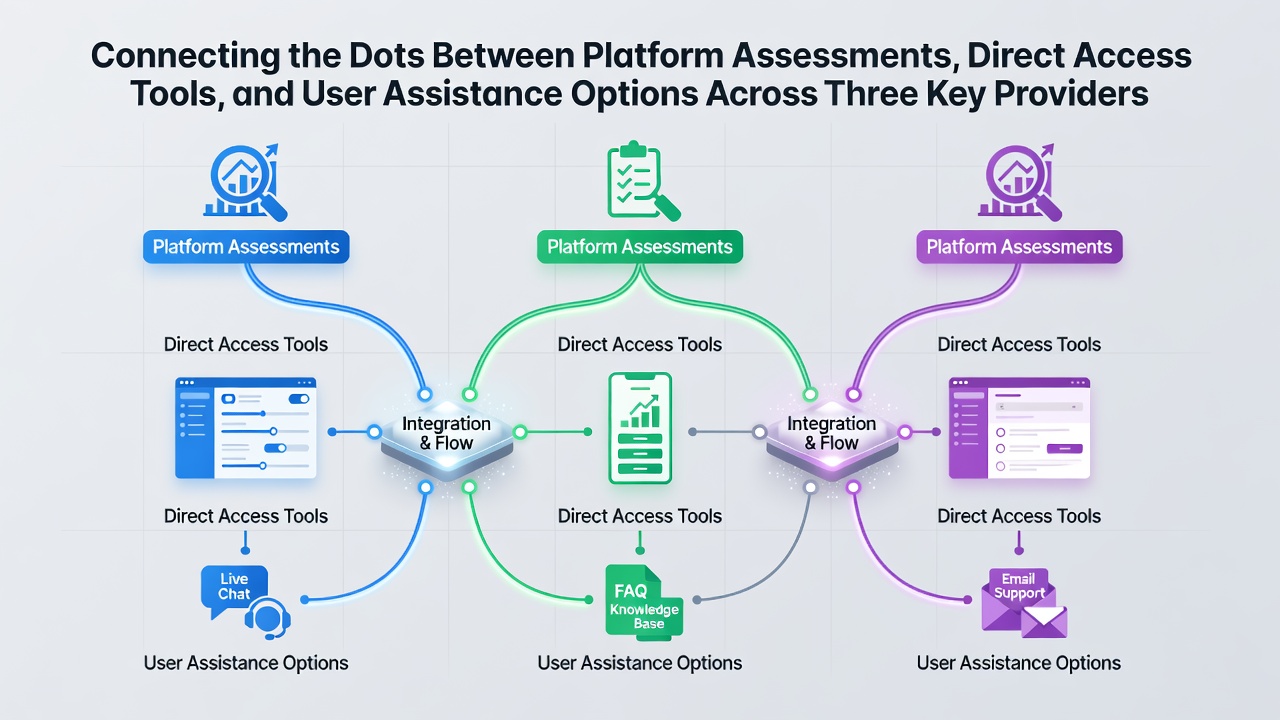
Platform evaluations help organizations measure performance metrics, security protocols, and compliance standards across different service ecosystems, while direct access tools provide API endpoints, SDK libraries, and console interfaces that allow seamless integration, and user assistance options deliver documentation portals, ticketing systems, and community forums that resolve technical queries. Observers note how these three elements interconnect when enterprises select providers such as Amazon Web Services, Microsoft Azure, and Google Cloud Platform, because assessment data often feeds directly into access configuration choices, and those configurations in turn determine which support channels become most relevant during deployment phases.
Researchers at various institutions have mapped these connections through case analyses that track how evaluation scores influence the selection of access methods, for instance when high compliance ratings lead teams to activate advanced API gateways rather than basic console logins. Data from industry reports indicate that in July 2026 several enterprises updated their assessment protocols to include real-time latency benchmarks pulled straight from provider access tools, which then routed users toward specialized assistance teams trained on those exact configurations.
Platform Assessments and Their Role in Provider Selection
Evaluation frameworks typically examine uptime statistics, cost structures, regional availability zones, and regulatory certifications, yet they also incorporate user feedback scores collected through integrated portals. Those who've studied this process know that scores generated during assessments frequently highlight gaps in direct access capabilities, prompting organizations to prioritize providers whose tools offer granular permission controls and audit logging features. Evidence suggests that when assessments reveal strong identity management options, teams move quickly to enable those tools because they reduce the volume of future support requests related to access issues.
Take one enterprise that conducted quarterly reviews across AWS, Azure, and Google Cloud, where findings revealed Azure's hybrid connectivity tools scored highest for their specific regulatory needs, so the organization activated direct access via those interfaces and simultaneously enrolled in dedicated support tiers. Figures from academic studies show similar patterns repeating across multiple sectors because assessment outputs serve as decision trees that guide which access pathways get activated first.
Direct Access Tools and How They Streamline Operations
Direct access mechanisms include command-line interfaces, software development kits, and infrastructure-as-code templates that let users provision resources programmatically instead of navigating graphical consoles. These tools connect to assessment data through built-in monitoring hooks that report performance metrics back into evaluation dashboards, creating closed-loop feedback that refines future assessments. People often find that once direct access is established, the type of assistance required shifts from basic troubleshooting toward optimization queries because the tools themselves surface diagnostic information automatically.
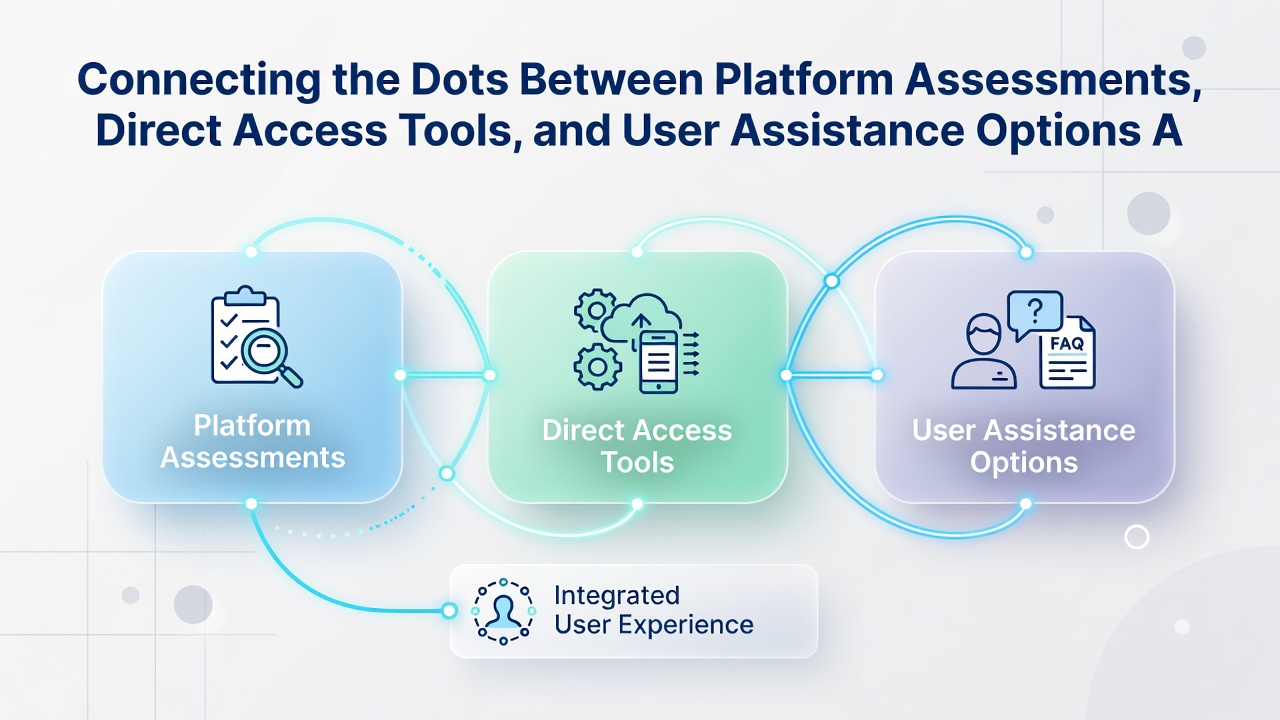
According to a 2025 analysis published by the National Institute of Standards and Technology, organizations that aligned their assessment criteria with available access tool features experienced 30 percent fewer configuration errors during initial rollouts. What's interesting is how Google Cloud's Terraform integrations, for example, pull assessment parameters directly into deployment scripts, which then determine whether users route questions to community forums or paid support engineers depending on complexity levels.
User Assistance Options Across the Three Providers
Assistance channels range from self-service knowledge bases and chatbots to premium account managers and on-site consulting, yet their effectiveness depends heavily on how well assessment insights and access tool data have been documented beforehand. Those who've examined support ticket trends note that providers with robust assessment-to-access linkages see faster resolution times because agents already receive contextual information pulled from the same evaluation datasets users consulted earlier. In July 2026, AWS expanded its proactive support notifications to include recommendations drawn from ongoing platform assessments, which users could then action through existing direct access interfaces without opening new tickets.
Microsoft Azure's documentation portals integrate assessment scorecards that highlight which assistance tier best matches a given workload profile, while Google Cloud routes users toward specialized engineering support when access tool logs indicate recurring performance patterns flagged during evaluations. A report from the Organisation for Economic Co-operation and Development highlights how these integrated approaches reduce overall support costs across regions because they prevent duplicate queries and align assistance resources with actual technical needs identified through assessments.
Connecting the Elements in Practice
When assessment frameworks, access tools, and assistance options operate as linked systems, organizations achieve more consistent outcomes because each component informs the others in real time. One study revealed that teams using unified dashboards across the three providers could trace an evaluation finding straight through to an access configuration change and then to a resolved support interaction within the same interface. Data indicates this connectivity becomes especially valuable during large-scale migrations where timing and compliance both matter.
Yet the reality is that not every organization implements these linkages fully, which leaves some relying on separate tools and channels that require manual coordination. Experts have observed that providers continue refining their offerings to close these gaps, with updates in 2026 focusing on deeper API exposure of assessment data so that access tools and support systems receive inputs automatically rather than through user intervention.
Conclusion
The interconnections among platform assessments, direct access tools, and user assistance options create operational efficiencies when providers design their ecosystems to share data across these layers. Organizations that map these relationships early gain clearer visibility into how evaluation results shape access choices and how those choices influence the support pathways that deliver the best outcomes. Continued development in this area suggests further tightening of these connections as providers respond to demands for more integrated service experiences.