10 Jun 2026
Enhancing Registration Efficiency: Payment Solutions and Support Services at Prominent UK Gambling Platforms
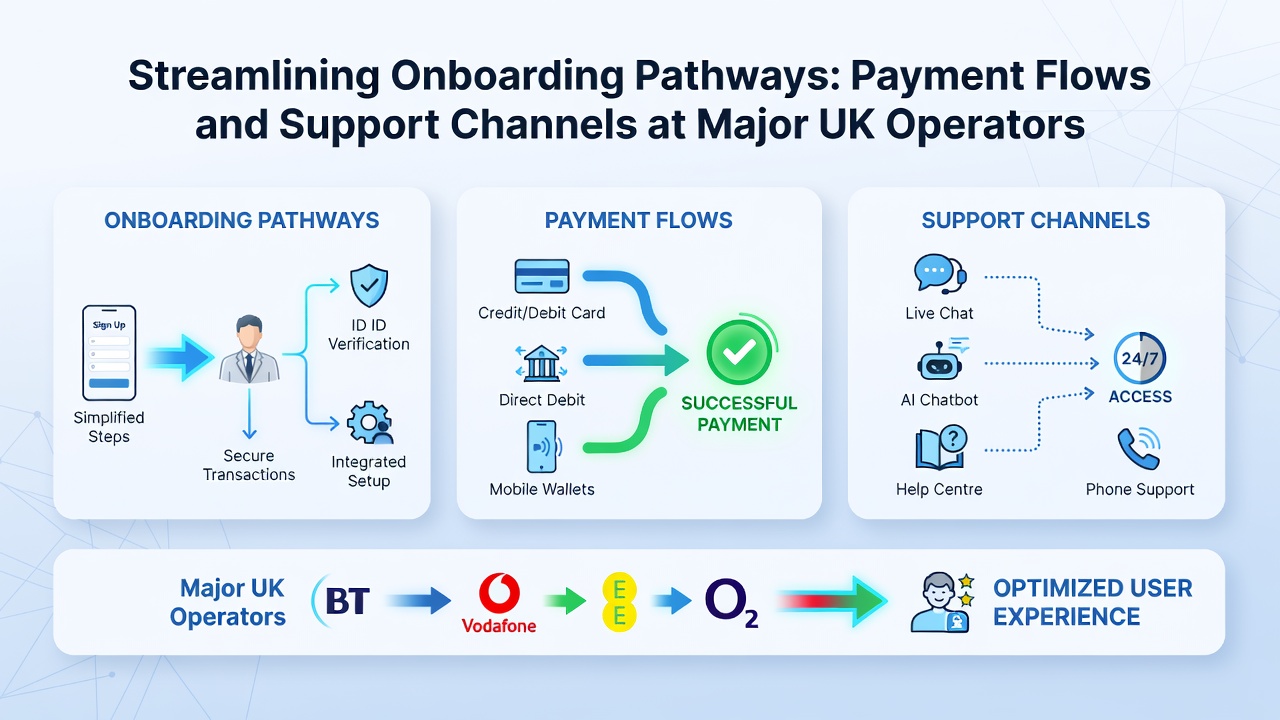
Operators across the United Kingdom continue to refine how new users move from initial registration through verified accounts and into active play, with particular attention on payment integration points and multi-channel assistance systems that reduce friction while maintaining compliance standards. Data from industry analyses shows these pathways have evolved considerably by mid-2026 as firms respond to increased digital traffic and shifting user expectations around speed and accessibility.
Core Components of Modern Onboarding Systems
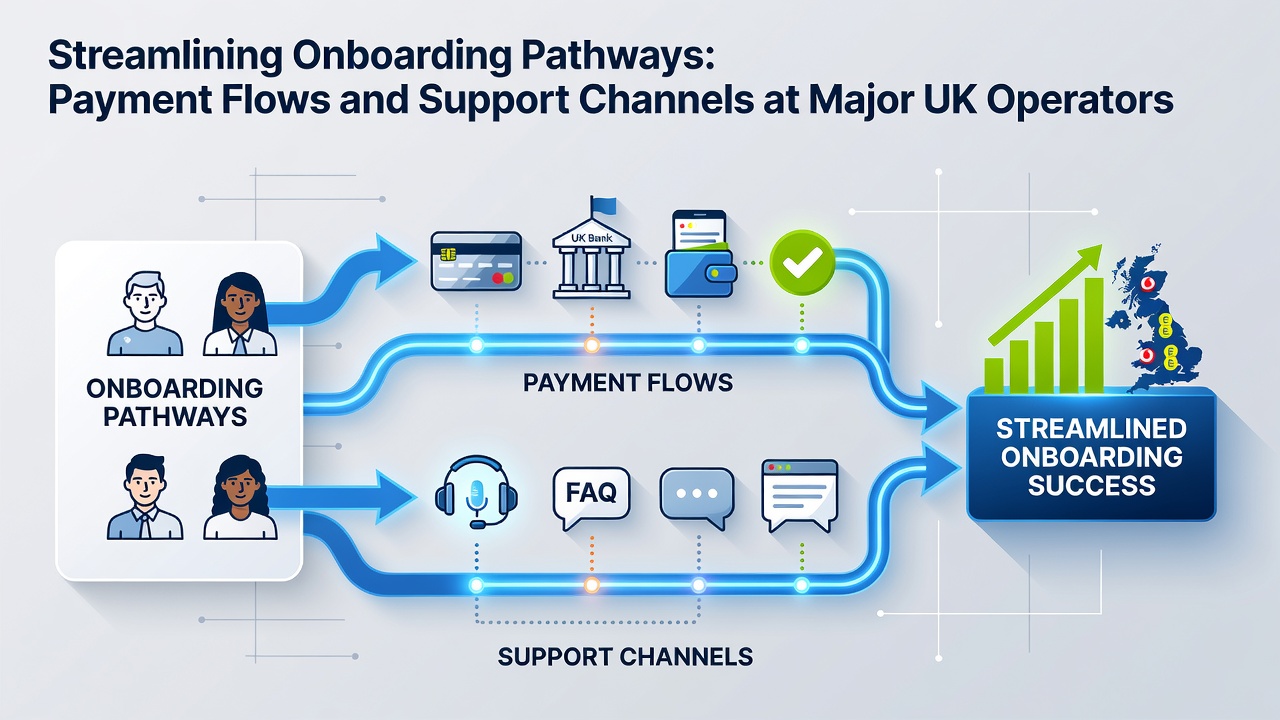
Registration sequences at leading platforms now incorporate identity verification steps that link directly to payment provider APIs, allowing users to complete both account setup and first deposit within a single flow rather than navigating separate stages. Major operators integrate services from established processors such as PayPal, Skrill, and bank transfer gateways, each configured to handle real-time checks against regulatory databases while confirming funds availability. Observers note that this consolidation cuts average completion times from several minutes to under ninety seconds in many documented cases, according to aggregated platform performance metrics released in early 2026.
Payment flows receive additional layering through instant verification tools that cross-reference user details against credit reference agencies and open banking protocols. Those who've examined these systems report that error rates drop when platforms pre-populate forms using data pulled securely from linked financial institutions, eliminating manual entry mistakes that previously triggered repeated verification attempts.
Support Channel Integration During Early User Stages
Assistance options appear embedded at every decision point in the onboarding sequence, ranging from live chat widgets that connect users to agents within thirty seconds to automated FAQ overlays triggered by specific payment selections. Email and telephone backups remain available, though usage data indicates the majority of queries during the first twenty-four hours after registration now resolve through in-app messaging or contextual help prompts. Researchers at academic institutions studying digital service design have highlighted how proactive prompts about common deposit issues, such as processing delays during peak hours, prevent escalation to formal support tickets.
Developments Observed Through June 2026
By June 2026 several platforms had introduced biometric confirmation layers for returning users attempting repeat deposits, combining facial recognition with device fingerprinting to accelerate subsequent transactions without compromising security protocols. This builds on earlier refinements where one-time password systems were shortened from six digits to four in low-risk scenarios, a change tracked through internal performance dashboards shared across industry forums. External reports from the European Gaming and Betting Association indicate that such incremental adjustments correlate with higher retention rates during the critical first week after account creation.
Payment method diversification also accelerated during this period, with operators adding support for newer digital wallets popular among younger demographics while retaining traditional bank options for broader accessibility. Those monitoring transaction logs note that e-wallet adoption during onboarding rose steadily through spring, driven by promotional incentives tied directly to the registration process rather than post-account activation offers.
Comparative Approaches Among Established Operators
William Hill, BetVictor, and Coral each maintain distinct configurations for routing users through verification and funding stages, yet all three have converged on hybrid models that blend automated checks with human oversight for edge cases involving high-value deposits or international payment sources. Documentation from platform audits reveals that Coral routes certain payment queries through dedicated regional teams during UK business hours, whereas BetVictor emphasizes 24-hour chat coverage with escalation paths to specialist payment technicians. William Hill meanwhile integrates more heavily with open banking flows, reducing reliance on third-party wallet intermediaries for users who prefer direct account linkages.
These variations reflect differing infrastructure investments rather than uniform industry standards, though shared compliance requirements around anti-money laundering checks create baseline similarities across all major services. Data compiled by independent analysts shows average support response times stabilizing below two minutes across these operators when queries originate from within the onboarding interface.
Conclusion
Streamlining efforts at UK operators continue to center on tighter coupling between payment authentication steps and real-time support access points, producing measurable reductions in user drop-off during the registration window. Industry patterns through June 2026 demonstrate sustained focus on these interconnected systems as platforms adapt to both technological capabilities and evolving regulatory expectations. Further refinements are expected as new payment technologies mature and support automation incorporates additional predictive elements drawn from user behavior datasets.