Compliance Standards Guide Feature Evolution at Leading Sportsbooks
Written by Clara Hayes · Aug 21, 2026
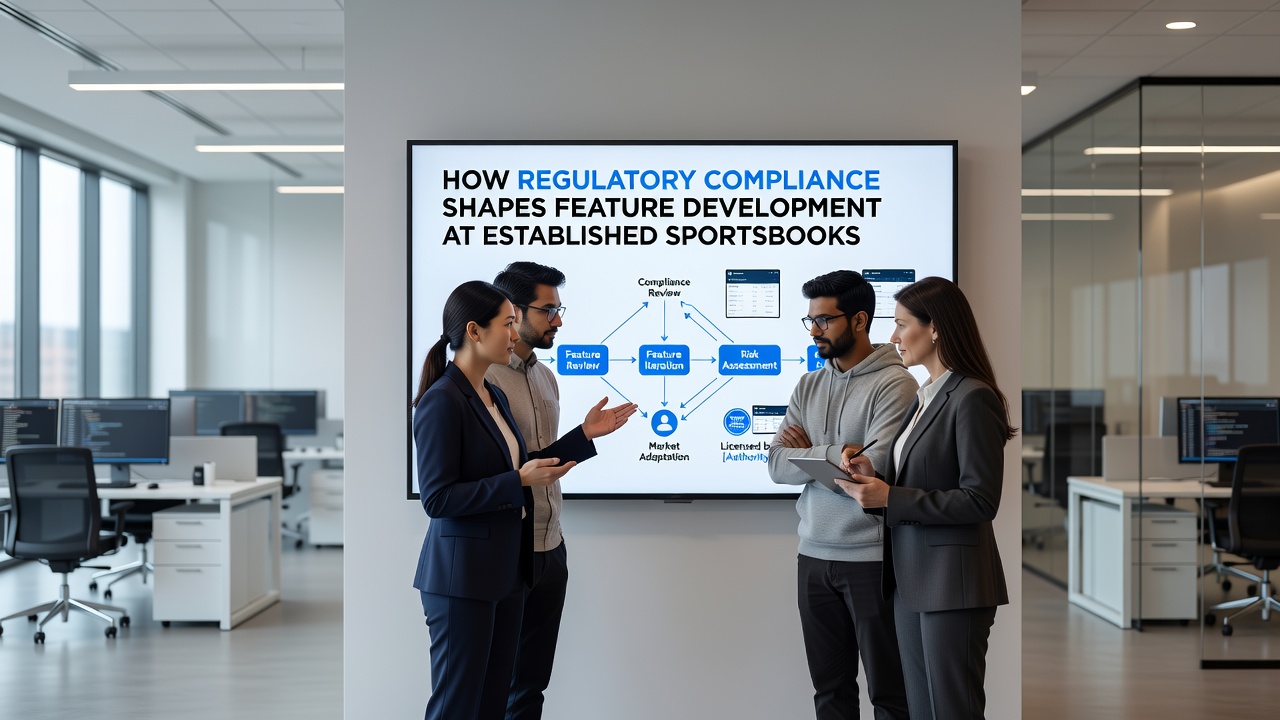
Compliance Standards Guide Feature Evolution at Leading Sportsbooks
Regulatory frameworks around the world continue to dictate how established sportsbooks build and refine their platforms, with compliance teams working alongside product developers to embed mandatory controls from the outset. Data from multiple jurisdictions shows that operators must integrate age verification modules, transaction monitoring systems, and self-exclusion tools before launching new betting markets or user interfaces, since failure to meet these requirements can trigger license reviews and operational halts.
Verification Processes Shape Onboarding Flows
Established operators now route every new account through multi-layered identity checks that align with rules from bodies such as the Nevada Gaming Control Board and the Malta Gaming Authority. These checks pull data from government databases and third-party services, which means developers create stepped registration sequences that pause users at each verification stage until documents clear; the result appears in features like instant photo upload and real-time document scanning that reduce drop-off while satisfying audit trails.
One study released by researchers at the University of Nevada in 2025 documented how sportsbooks adjusted their mobile apps to include biometric prompts alongside traditional ID uploads, because regulators demanded stronger proof of identity amid rising account fraud cases. Such adjustments extend development timelines yet produce platforms that handle higher volumes of compliant registrations without manual intervention.
Responsible Gambling Tools Become Core Product Elements
Rules requiring deposit limits, session reminders, and reality checks force product teams to embed these functions directly into betting flows rather than treating them as optional add-ons. Developers at major platforms integrate customizable spending caps that activate automatically once users reach thresholds set during initial setup, while backend systems log every interaction for regulatory reporting.

During August 2026 several North American and European operators rolled out updated in-play betting interfaces that display real-time loss alerts alongside live odds, since updated guidance from multiple regulators emphasized continuous user awareness. These alerts appear without interrupting wagers, because engineering teams designed overlay systems that comply with visibility standards while preserving the speed expected in live markets.
Payment and Data Security Requirements Drive Backend Changes
Anti-money laundering statutes and data protection statutes compel sportsbooks to overhaul payment gateways and user databases on a recurring schedule. Features such as source-of-funds verification and automated suspicious-activity flags now sit inside transaction pipelines, requiring developers to coordinate with compliance officers during every sprint planning session.
According to reports issued by the European Gaming and Betting Association, operators that embedded machine-learning models for transaction screening saw faster approval times for new payment methods, because the models flagged anomalies before regulators reviewed quarterly filings. This integration shows up in user-facing options like instant bank transfers that carry built-in compliance checks, reducing the number of declined deposits that previously frustrated players.
Market Expansion Depends on Jurisdictional Alignment
When sportsbooks prepare to enter new states or countries, feature roadmaps shift to accommodate local licensing conditions such as geo-fencing accuracy, tax reporting modules, and specific bet-type restrictions. Product managers prioritize these adaptations over cosmetic updates, since missing even one mandated control can delay market entry by months.
Teams therefore maintain separate code branches for each regulated region, allowing rapid deployment of compliant versions while preserving a unified core experience. This approach surfaces in settings menus that adjust available features based on detected location, ensuring users encounter only permitted options from the moment they log in.
Conclusion
Regulatory compliance continues to function as the primary filter through which every new sportsbook feature must pass, shaping everything from account creation sequences to live betting interfaces. Established operators allocate substantial resources to cross-functional teams that translate rule changes into technical specifications, producing platforms that meet oversight requirements while supporting competitive offerings across multiple markets. As additional jurisdictions refine their frameworks, development cycles will keep incorporating these mandates at the design stage rather than as afterthoughts.