15 Jun 2026
BGC Issues Warning on Black Market Growth Ahead of 2026 FIFA World Cup
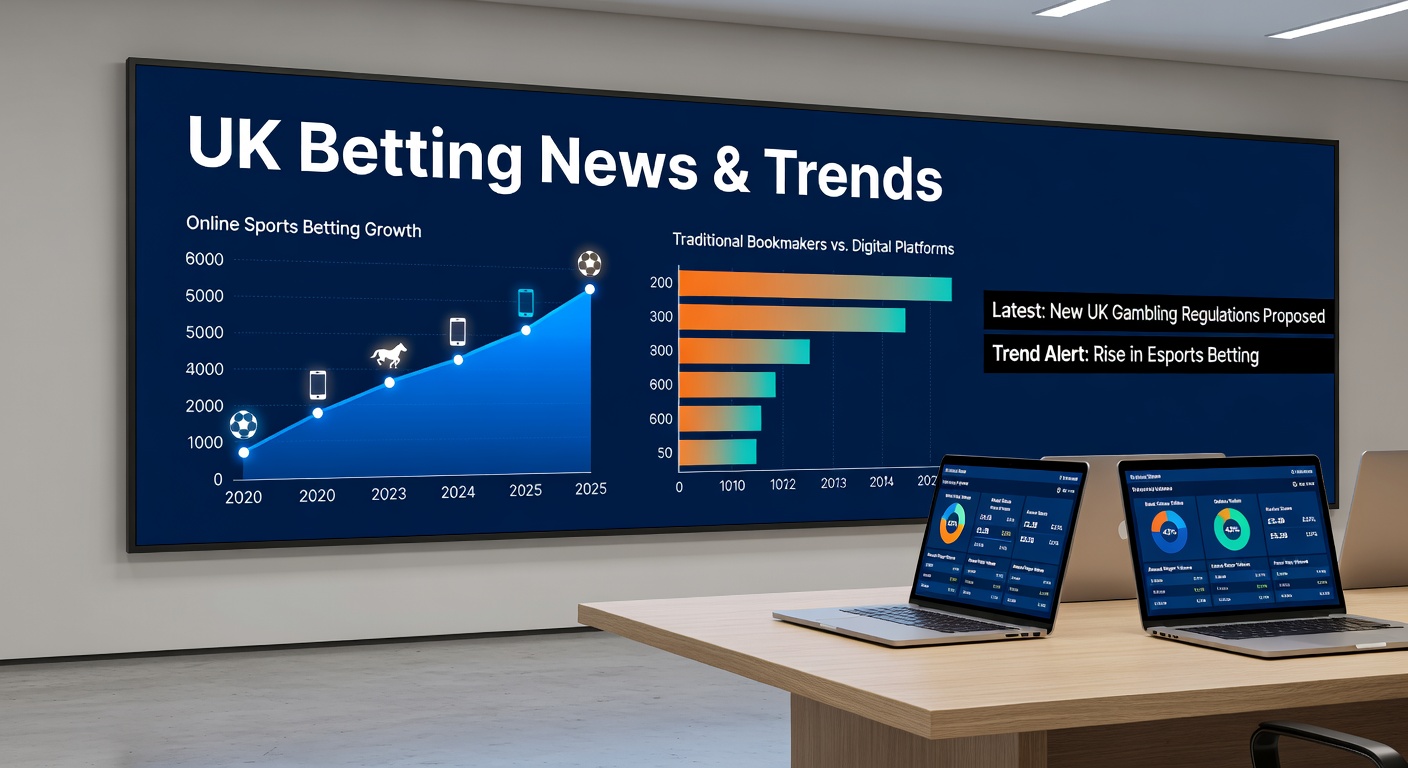 teh Betting and Gaming Council has released new modelling that projects the illegal UK gambling market will draw approximately £200 million in stakes from unregulated operators during the 2026 FIFA World Cup, while the same analysis shows stakes could climb as high as £250 million if proposed financial risk checks take effect and divert more activity away from licensed firms. Observers note that the tournament, scheduled to begin in June 2026 across host nations in North America, creates a concentrated period of high betting interest that illegal operators appear positioned to exploit through targeted marketing and fewer restrictions on customer activity. Data from the council indicates that more than 50,000 customers could shift toward unregulated sites under the stricter checks scenario, a movement driven by the contrast between licensed operators that must apply consumer protections and black market platforms that operate without such requirements. The modelling connects these projections directly to ongoing policy discussions around affordability assessments, where tighter verification processes for larger deposits or losses might create friction for some users who then seek alternatives outside the regulated sector.
Details Behind the Projected Figures
Figures released by the Betting and Gaming Council break down the expected stakes across the tournament period, showing the baseline £200 million estimate without additional regulatory measures and the £250 million upper range when financial risk checks are layered on top. Researchers who prepared the analysis examined patterns from previous major football events and adjusted for the specific timing of the 2026 competition, which spans multiple weeks and features matches involving teams with strong UK followings.
The report highlights that illegal operators often advertise through channels that evade standard oversight, allowing them to reach audiences during peak interest periods such as the World Cup group stages and knockout rounds. Those projections rest on assumptions about customer behaviour when regulated options introduce extra steps for verifying spending patterns, steps that unlicensed sites simply omit.Impact on Regulated Operators and Customer Movement
Evidence gathered by the council shows that competition between licensed and unregulated platforms intensifies around high-profile events, with the former required to maintain standards around age verification, responsible gambling tools, and fair play while the latter faces no such obligations. The modelling suggests that when financial risk checks become more intrusive, a measurable portion of existing customers—exceeding 50,000 in the higher estimate—may migrate to black market options that promise quicker access and fewer interruptions.
Industry data indicates licensed firms already invest in compliance systems that track unusual activity and offer self-exclusion or deposit limit tools, measures absent from illegal platforms. The council’s analysis ties this regulatory gap to the projected stake increases, noting that customers who encounter delays or additional questions at regulated sites sometimes turn elsewhere during time-sensitive events like World Cup matches.
Policy Context and Timing Considerations
Discussions around the proposed financial risk checks form part of broader UK gambling reform efforts, where regulators seek to balance consumer protection with market access. The Betting and Gaming Council modelling places the World Cup timeline in the foreground because the tournament’s duration and popularity create a concentrated window during which any shift in customer behaviour could produce the reported stake volumes. June 2026 marks the opening of the competition, and the council’s figures account for activity spanning the full event rather than isolated matches.
Data shows that previous international tournaments have driven spikes in both regulated and unregulated betting, yet the current projections isolate the potential uplift attributable to the specific policy changes under consideration. The analysis does not claim causation in every case but presents the £200 million to £250 million range as a modelled outcome based on available behavioural indicators.