29 Jun 2026
Beyond the Click: How Visit Links and Contact Pages Work Together in Betting Site Ecosystems
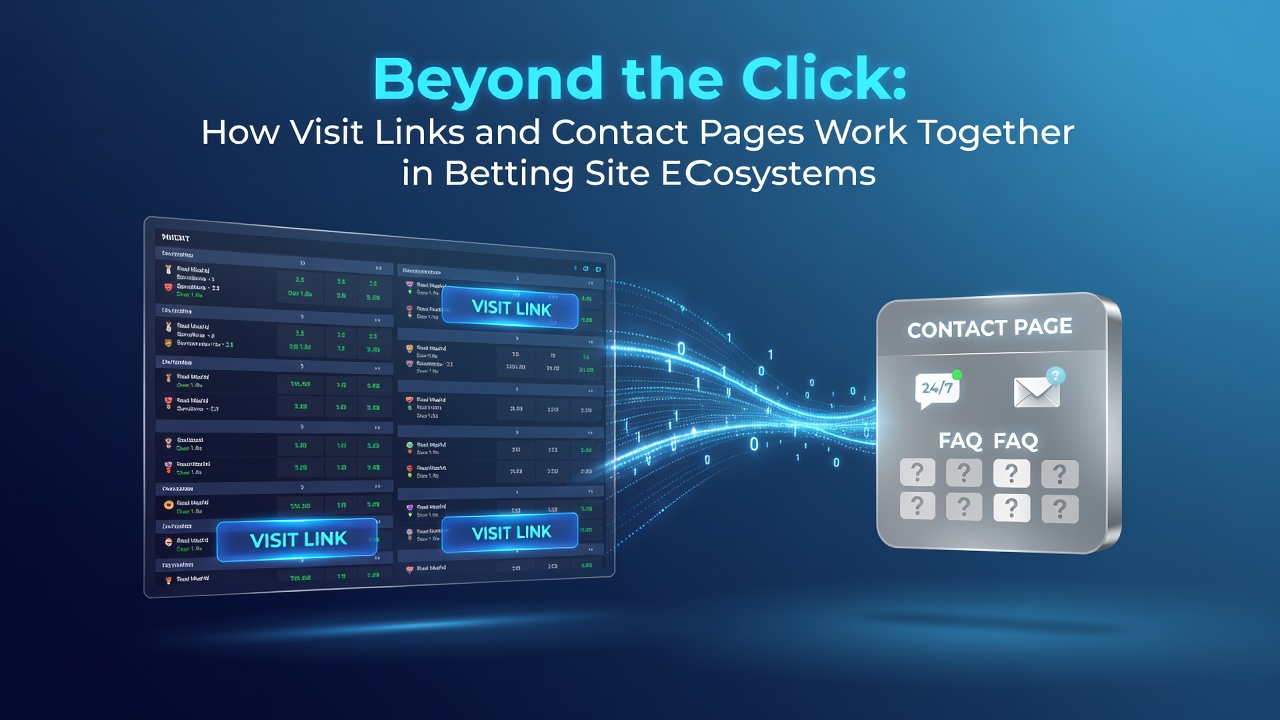
Visit links serve as entry points that direct users from external sources straight to betting platforms, carrying tracking parameters that record the origin and facilitate commission structures for affiliates. These links often embed unique identifiers that help operators monitor traffic sources while ensuring users land on customized welcome pages with tailored bonus offers. Contact pages meanwhile function as dedicated hubs where bettors submit inquiries about account issues, payment processing, or regulatory compliance questions, creating a support layer that operates alongside the initial visit mechanism.
Mechanics of Visit Links in Modern Betting Platforms
Operators configure visit links to handle redirects through secure servers that validate the incoming traffic before displaying registration forms or deposit interfaces. Data from these links feeds into analytics systems that track conversion rates from click to active account, allowing platforms to adjust marketing spend based on performance metrics reported in quarterly summaries. In June 2026 several major betting ecosystems updated their link protocols to incorporate enhanced encryption standards following guidance from international bodies focused on digital transaction security.
Users who follow these links encounter pre-populated fields that reduce friction during sign-up, yet the same infrastructure logs session data that later proves useful when support teams access contact requests tied to specific user journeys. Researchers at institutions studying digital commerce note that seamless link functionality correlates with higher retention when paired with responsive contact systems, according to findings published by the Canadian Heritage online gaming resources.
Contact Pages as Support Anchors Within Ecosystems
Contact pages collect structured data through forms that categorize requests into technical support, responsible gambling queries, or verification assistance, routing each submission to specialized teams via integrated ticketing software. These pages frequently include live chat widgets that activate based on the user's visit link origin, enabling operators to prioritize responses for high-value traffic segments. Observers note that platforms maintain separate contact portals for different jurisdictions to comply with local rules on data handling and response times.
Integration Points Between Links and Contact Systems
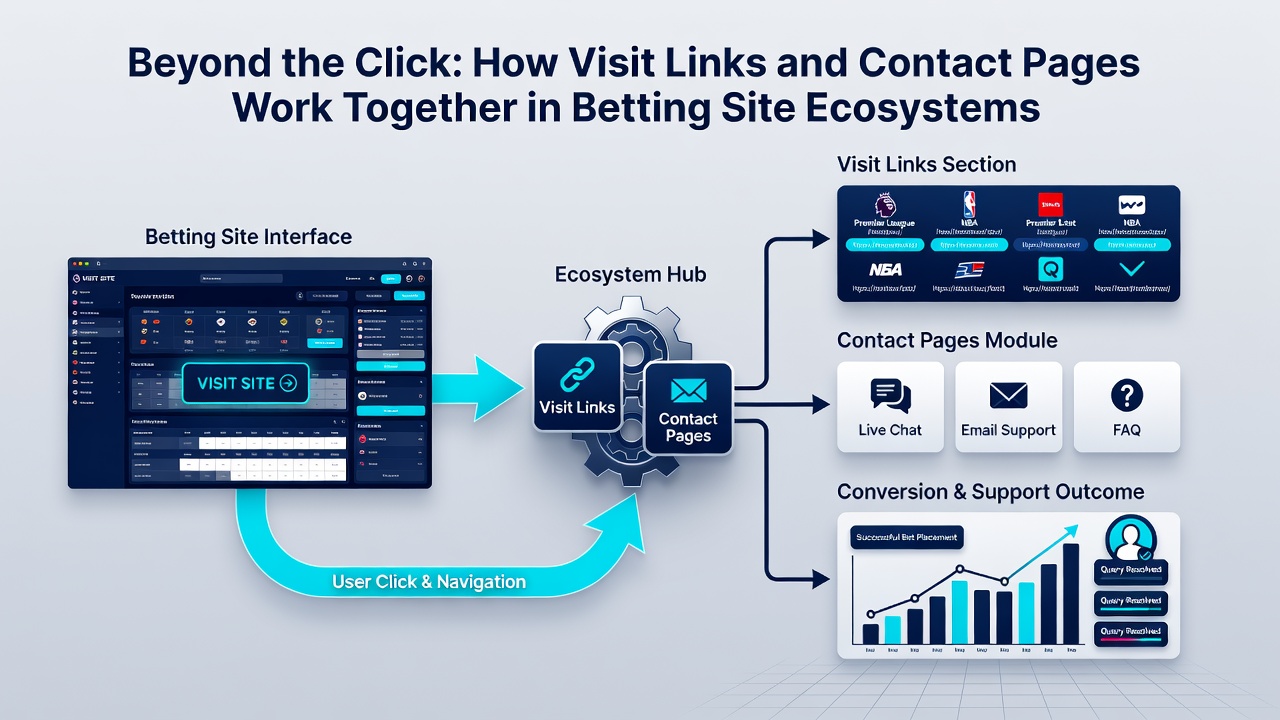
When a user arrives via a visit link and later encounters an issue, the contact page pulls session identifiers from the original click to display relevant account details without requiring manual re-entry. This linkage reduces average handling time for support agents while providing users with contextual help that references their entry path. Systems log these interactions in unified databases that generate reports on common pain points, informing updates to both link structures and contact workflows.
Betting operators deploy API connections that sync visit data with contact management tools, ensuring that any follow-up communication references the exact bonus terms presented at the initial landing. In practice this means a bettor querying a deposit delay receives information that aligns precisely with the promotion attached to their visit link, maintaining consistency across the user experience.
Regulatory Context and Operational Standards
Industry frameworks established by organizations such as the Gaming Technologies Association emphasize that visit tracking and contact accessibility must align with transparency requirements across multiple markets. Platforms therefore design contact pages to display licensing information alongside visit link disclosures, giving users immediate access to regulatory details without separate navigation. Figures from operator disclosures reveal that integrated systems handle thousands of daily interactions while maintaining audit trails that satisfy oversight demands in various regions.
Those who manage betting site infrastructure report that combining visit analytics with contact response metrics yields clearer pictures of user pathways from acquisition through resolution. This approach supports compliance efforts by documenting how promotional traffic converts into supported accounts, a process refined through iterative testing of link parameters and form fields.
Future Developments in Linked Ecosystems
Developments expected after June 2026 include expanded use of machine learning models that predict when a visit link user might require contact support based on behavioral signals during registration. Such models would trigger proactive messages on contact pages, directing users toward self-service options before issues escalate. Operators continue testing these features against existing data sets to balance efficiency with user privacy protections mandated by regional authorities.
Conclusion
Visit links and contact pages form interconnected components that guide users from initial engagement through ongoing support within betting site operations. Their combined functionality relies on shared data streams that maintain continuity across acquisition and assistance stages, supported by evolving technical standards and regulatory expectations. As platforms refine these connections, the focus remains on measurable performance indicators that reflect traffic patterns and resolution efficiency across diverse user bases.