19 Jun 2026
Advancements in Entry and Response Integration Across Gambling Platforms

Operators across the gambling sector have developed systems that link direct entry mechanisms with immediate support tools, creating pathways for users to reach platforms and receive assistance without extended delays, and data from industry reports indicate these pairings emerged as standard practice by early 2026.
Quick entry points typically consist of specialized URLs that bypass standard landing pages, allowing registration or login processes to begin directly, while rapid response features include live chat modules, callback options, and automated messaging services that activate within seconds of a query submission.
Mechanics of Direct Entry Systems
Direct entry systems function through encrypted hyperlinks distributed via promotional materials or partner sites, and these links route users straight to account creation forms pre-populated with tracking parameters that identify the source of the visit. Research conducted by the European Gaming and Betting Association shows that such systems reduce average onboarding time by up to 40 percent compared with traditional navigation routes, and operators track performance metrics through backend analytics that monitor completion rates at each step.
Security protocols embedded in these entry points verify device fingerprints and IP locations in real time, which helps prevent unauthorized access attempts while maintaining speed, and multiple platforms now apply machine learning models to flag suspicious patterns without interrupting legitimate users.
Components of Rapid Response Tools
Rapid response tools operate through integrated customer service layers that connect to the same user session established via the entry point, enabling support agents to view account details and activity history immediately upon connection. According to figures from the Nevada Gaming Control Board, response times for live chat inquiries averaged under 15 seconds across monitored operators in the first half of 2026, and callback systems route requests to available representatives based on language preference and issue category.
Automated elements within these tools handle common queries such as password resets or deposit confirmations through rule-based scripts, freeing human staff for complex cases involving account verification or bonus eligibility, and escalation paths allow seamless transfer to specialized teams when needed.
Platform Examples of Integrated Features
Major operators have implemented combinations where entry links trigger contextual help prompts that appear alongside registration fields, and users who encounter difficulties during signup receive prompts to connect with support directly from the same screen. One documented case from a large European operator revealed that pairing these elements increased successful account activations by 22 percent during a promotional period in spring 2026, while similar configurations on Australian-facing sites demonstrated comparable gains after regulatory updates in late 2025.
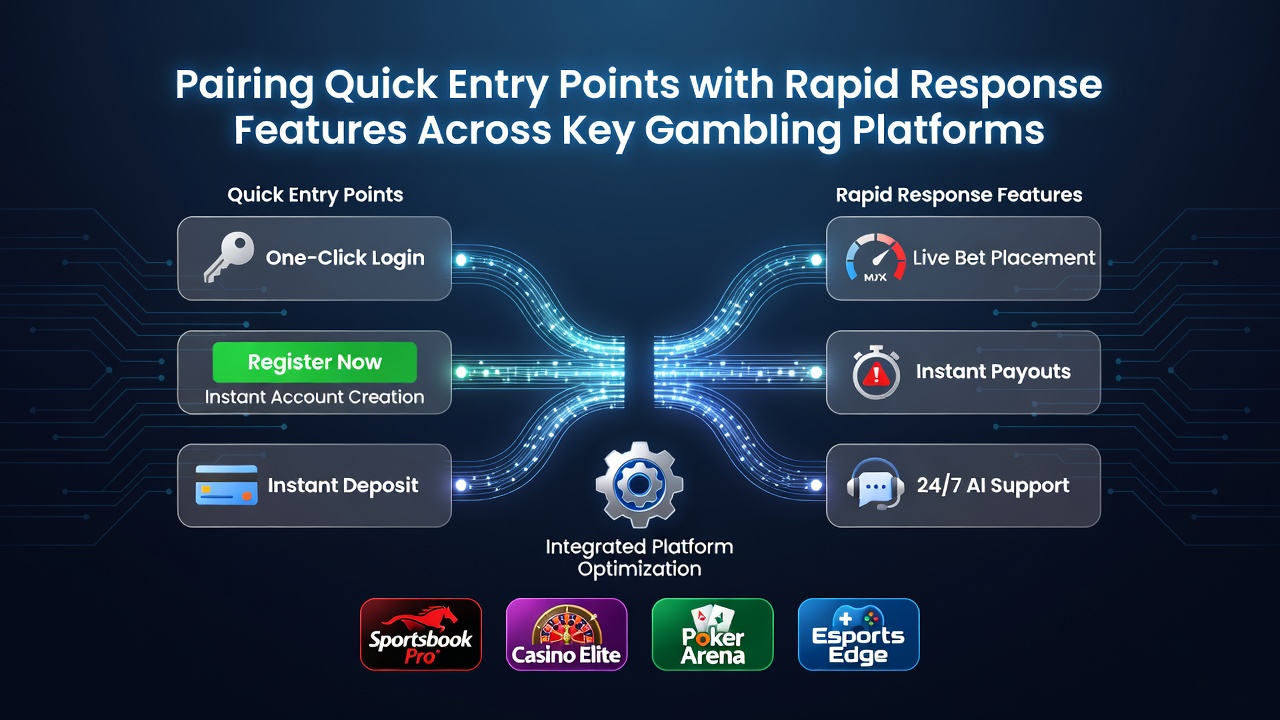
Integration extends to mobile applications as well, where push notifications from entry campaigns open directly into chat sessions pre-loaded with relevant context, and this continuity reduces the need for users to repeat information across channels. Observers note that platforms employing these methods maintain separate queues for high-priority issues flagged during the entry process, ensuring faster resolution for time-sensitive matters such as pending withdrawals.
Developments Observed in June 2026
By June 2026, several operators reported updates to their backend infrastructure that synchronized entry point data with response systems in near real time, allowing support teams to access session recordings and form inputs instantly. Statistics released by the Australian Communications and Media Authority highlight a 15 percent rise in resolved inquiries within the first interaction across monitored platforms during the preceding quarter, and these improvements coincided with broader adoption of cloud-based routing technologies that distribute support loads across multiple regions.
Industry analyses from academic sources, including working papers published by the University of Nevada, Reno gaming research group, point to reduced abandonment rates at the registration stage when quick entry points feed directly into responsive support environments, and the studies emphasize the role of consistent session tracking in achieving these outcomes without compromising data protection standards.
Conclusion
Systems that connect direct entry points with rapid response capabilities continue to evolve as platforms incorporate new verification methods and communication channels, and available data suggest these integrations support higher user retention across varied market conditions. Continued monitoring by regulatory bodies and research institutions will likely document further refinements in the coming periods.