27 Jul 2026
Adapting Support Infrastructure Across Leading UK Gambling Operators
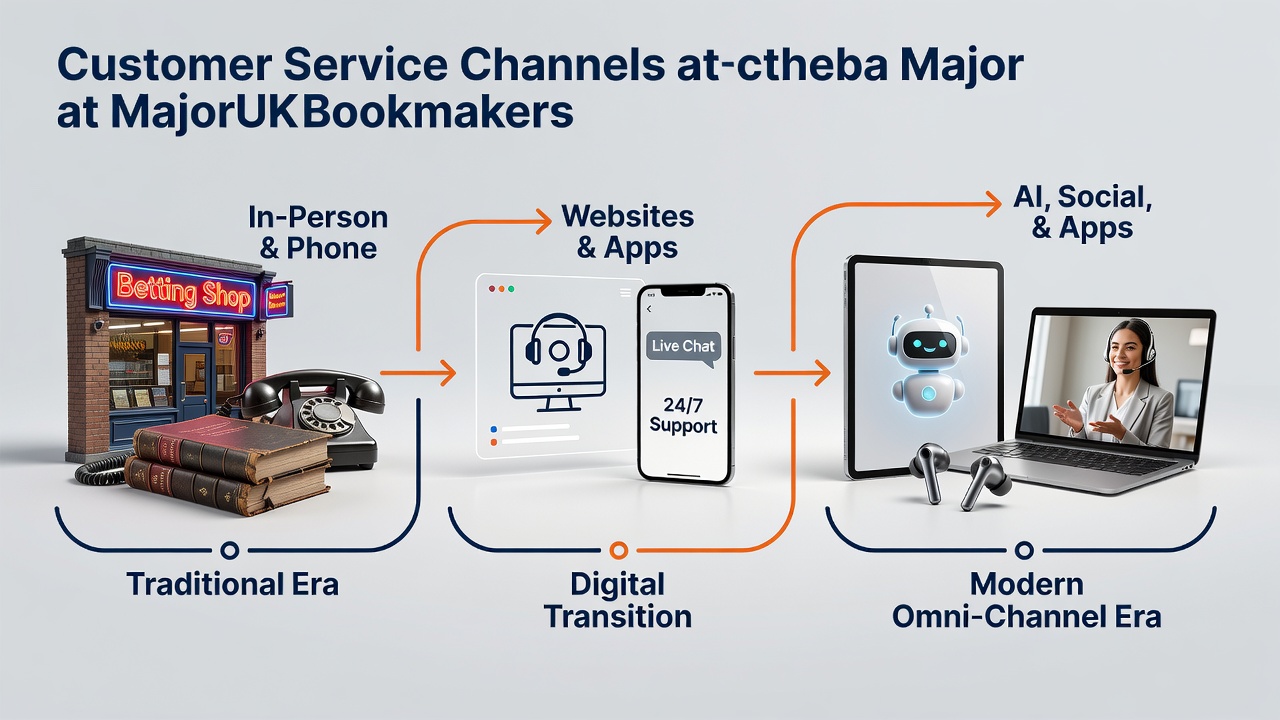
Customer service at major UK bookmakers has shifted from basic telephone lines and postal correspondence in earlier decades to integrated digital systems that combine live chat, mobile applications, and automated responses, with this progression accelerating through regulatory changes and technological adoption by operators such as William Hill, Coral, and BetVictor. Data from industry analyses show that initial contact methods relied heavily on staffed call centres, where callers waited through extended queues to resolve account queries or place wagers via phone, while letters handled slower matters like dispute resolutions that could take weeks to process.
Early Foundations in Telephone and Postal Systems
Bookmakers established dedicated phone teams in the 1990s and early 2000s to manage growing demand as telephone betting gained popularity, and these operations often featured regional centres staffed by agents trained in odds calculation and account management. Observers note that postal services supplemented phone support for formal complaints and verification documents, creating a paper trail that regulators required for audit purposes, yet response times stretched because physical mail delivery dictated the pace. Those who tracked industry metrics found that call volumes peaked during major sporting events, prompting firms to expand shift patterns and introduce basic interactive voice response menus that routed common queries without human intervention.
Rise of Email and Web-Based Contact Forms
Email support emerged alongside widespread internet access in the mid-2000s, allowing customers to submit detailed queries that staff could address during business hours rather than in real time. Operators integrated contact forms on their websites to capture essential information upfront, reducing follow-up calls, and this method proved useful for non-urgent issues such as bonus eligibility checks. Research indicates that email response targets tightened from several days to under 24 hours as competition increased, with companies investing in customer relationship management software to track conversation histories across channels.
Introduction of Live Chat and Instant Messaging
Live chat functions appeared on bookmaker platforms around 2010, delivering immediate text-based assistance that mirrored the speed of phone calls while freeing agents to handle multiple sessions simultaneously. This channel gained traction because it suited mobile users who preferred typing over speaking, and data shows chat volumes surpassed phone traffic at several large operators within five years of launch. Companies paired chat windows with co-browsing tools that let agents guide customers through account pages, cutting resolution times for technical problems like deposit failures or navigation issues.
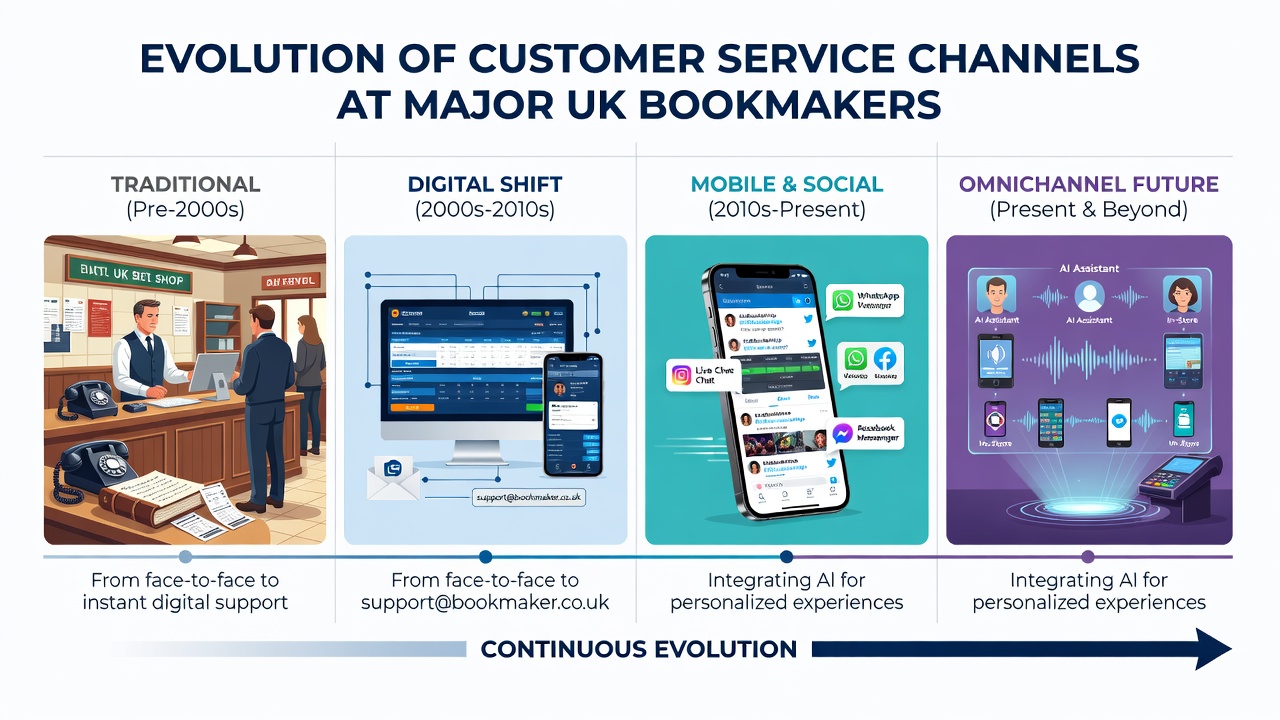
WhatsApp and other messaging apps entered the mix later, giving customers another route that operated outside traditional website hours. Industry reports highlight that these third-party platforms required separate compliance checks to protect data, yet they extended reach for users already comfortable with mobile messaging in daily life.
Mobile Apps and Self-Service Features
Bookmaker apps introduced in-app support sections that included searchable FAQs, video tutorials, and direct links to chat agents, shifting routine tasks such as password resets and bet history reviews away from staffed channels. Figures reveal that self-service adoption rose sharply after 2018 as app downloads increased, with operators updating interfaces to include push notifications that alerted users to resolved queries without requiring them to log in. Those monitoring usage patterns observed that push-based updates reduced inbound contacts during peak periods because customers could address many matters independently before contacting staff.
AI Chatbots and Automated Assistance
Automated chatbots powered by machine learning entered service around 2020, handling repetitive questions about opening hours, deposit limits, and game rules before escalating complex cases to human agents. Reports from technology providers indicate that chatbot accuracy improved through continuous training on anonymised conversation logs, allowing operators to maintain 24-hour availability without proportional staff growth. By July 2026, several major firms had expanded bot capabilities to include voice assistants integrated into smart speakers, enabling spoken queries that mirrored earlier phone interactions but operated without call centre involvement.
Regulatory Influence and Future Directions
European regulatory bodies such as the European Gaming and Betting Association have documented how data protection rules shaped channel development, requiring encrypted transfers and clear consent mechanisms across all support methods. Academic studies from institutions including the University of Nevada, Las Vegas, have examined similar transitions in regulated markets and found that hybrid models combining automation with human oversight deliver the highest customer satisfaction scores. Operators continue testing video support options that allow face-to-face sessions for high-value accounts, while maintaining records that satisfy audit standards set by various oversight agencies.
Conclusion
Support infrastructure at leading UK bookmakers now spans multiple channels that operate in parallel, from legacy phone lines to AI-driven responses, with each addition reflecting broader shifts in consumer behaviour and available technology. Figures from cross-border analyses show sustained investment in these systems as firms balance cost efficiency against service expectations, and the pattern suggests further integration of predictive tools that anticipate issues before customers initiate contact.